

In today’s fast-paced world, stress is unavoidable. But how we manage stress makes all the difference between thriving and merely surviving. Chronic stress contributes to heart disease, depression, digestive problems, and weakened immunity—making effective stress management techniques essential for health.
In this guide, we’ll explore 15 science-backed strategies that actually work to reduce stress and build resilience. Let’s take control. 💆
Understanding Stress: Why Management Matters
Stress triggers your body’s “fight or flight” response—helpful in emergencies but damaging when chronically activated. Effects include:
- Elevated cortisol and blood pressure
- Impaired immune function
- Digestive problems
- Sleep disruption
- Anxiety and depression
- Accelerated aging
The goal isn’t eliminating stress (impossible) but developing effective coping mechanisms.
15 Stress Management Techniques That Work
1. Deep Breathing Exercises 🌬️
Deep breathing activates your parasympathetic nervous system, immediately countering the stress response.

Box Breathing Technique:
- Inhale for 4 counts
- Hold for 4 counts
- Exhale for 4 counts
- Hold for 4 counts
- Repeat 4-6 times
This technique is used by Navy SEALs to stay calm under pressure.
2. Regular Physical Exercise
Exercise is one of the most effective stress relievers. It:
- Releases endorphins (natural mood elevators)
- Reduces cortisol and adrenaline
- Improves sleep quality
- Boosts self-confidence
Best exercises for stress: Walking, running, swimming, yoga, dancing—anything you enjoy and will do consistently.
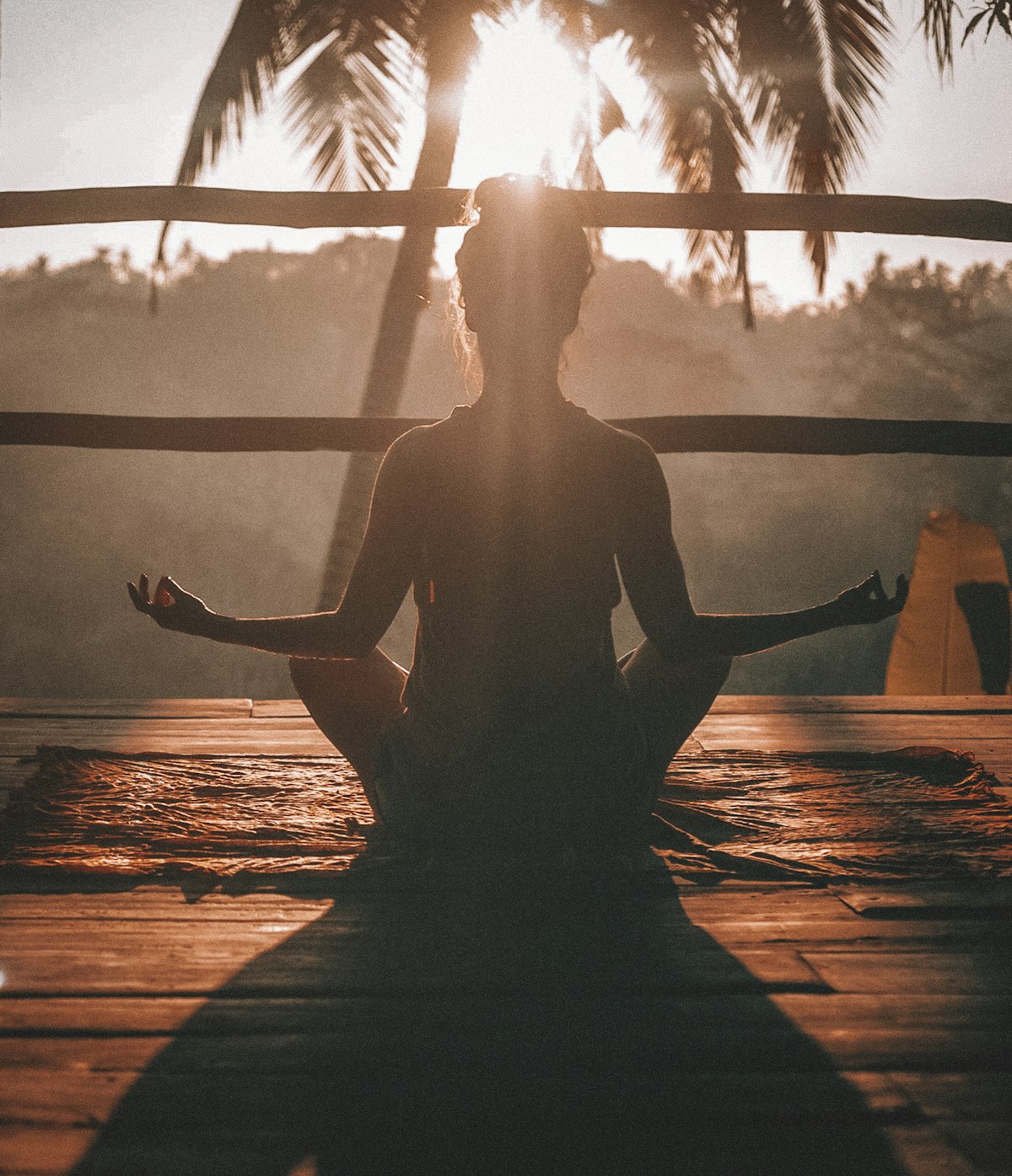
3. Practice Mindfulness Meditation
Mindfulness trains your brain to focus on the present rather than worrying about future or past. A Harvard study found that 8 weeks of mindfulness meditation actually changed brain structure in areas related to stress response.
Start with: Just 5 minutes daily using apps like Headspace, Calm, or Insight Timer.
4. Progressive Muscle Relaxation (PMR)
Stress causes muscle tension you may not even notice. PMR systematically releases this tension.
How to practice:
- Sit or lie comfortably
- Starting with your feet, tense muscles tightly for 5 seconds
- Release suddenly and notice the relaxation for 10-15 seconds
- Move up through each muscle group: legs, abdomen, chest, arms, face
5. Maintain Strong Social Connections 👥
Social support is a powerful buffer against stress. Talking to supportive friends and family reduces cortisol and provides perspective.
Action: Schedule regular check-ins with loved ones, join groups with shared interests, or seek a support group.
6. Set Boundaries
Much stress comes from overcommitment. Learning to say “no” protects your time and energy.
Tips for boundary-setting:
- Pause before committing—don’t say yes immediately
- Be direct but kind: “I can’t take that on right now”
- Recognize that “no” is a complete sentence
- Protect time for rest and relationships
7. Get Quality Sleep 😴
Sleep deprivation amplifies stress response. Prioritizing sleep is one of the most impactful things you can do.
Sleep hygiene tips:
- Consistent bedtime and wake time
- Cool, dark, quiet bedroom
- No screens 1 hour before bed
- Avoid caffeine after 2 PM
- Limit alcohol (disrupts sleep quality)
8. Practice Time Management
Feeling overwhelmed often comes from poor time management. Taking control of your schedule reduces stress significantly.
Strategies:
- Use a planner or digital calendar
- Break large tasks into smaller steps
- Prioritize using the Eisenhower Matrix (urgent/important)
- Build in buffer time between commitments
- Tackle difficult tasks when you have most energy
9. Limit Caffeine and Alcohol
Caffeine stimulates your nervous system and can trigger anxiety and stress symptoms. Limit to 1-2 cups of coffee before noon.
Alcohol may seem relaxing but actually increases stress hormones and disrupts sleep. Moderate or eliminate.
10. Spend Time in Nature 🌲
Nature exposure has remarkable stress-reducing effects. Research shows:
- 20 minutes in nature significantly lowers cortisol
- Nature sounds reduce stress hormones
- “Forest bathing” improves immune function and mood
Ideas: Walk in a park, garden, hike, or simply sit outside.
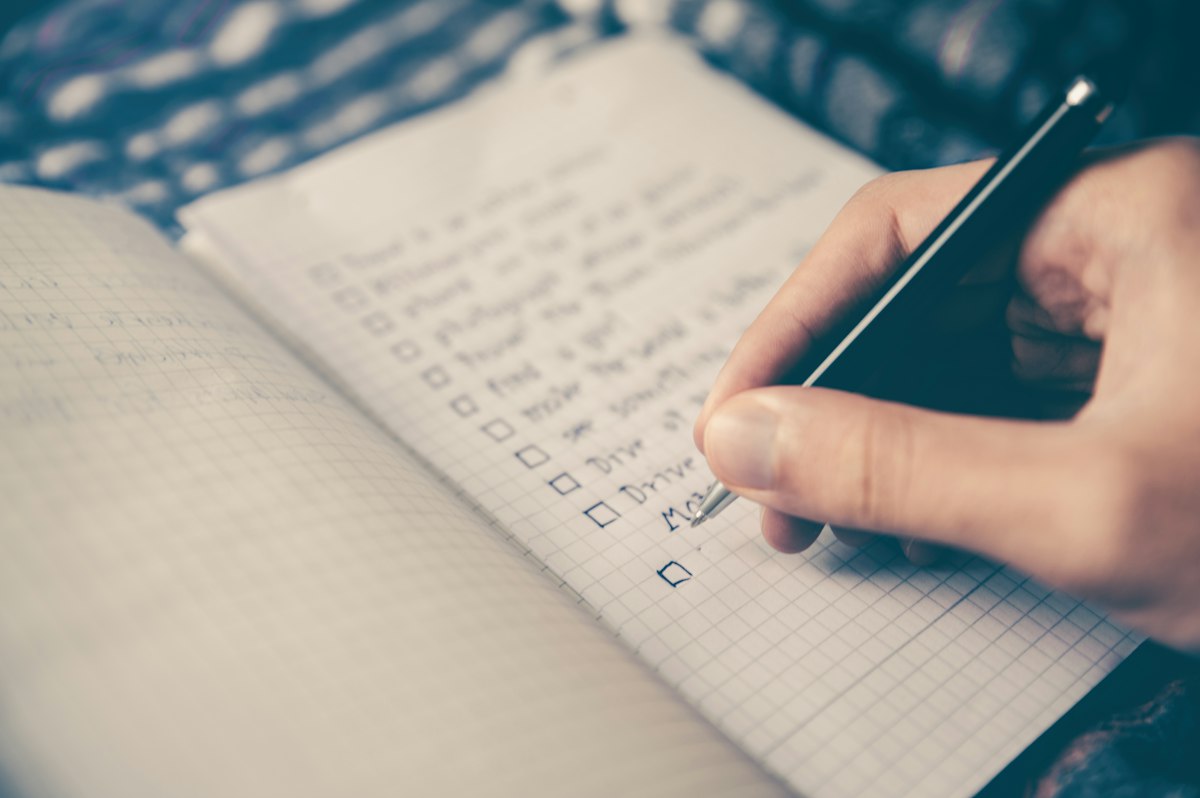
11. Journal Your Thoughts 📔
Writing about stressful experiences helps process emotions and gain perspective. Studies show journaling reduces anxiety and improves immune function.
Prompts:
- What’s causing me stress right now?
- What’s within my control vs. outside my control?
- What would I tell a friend in this situation?
- What’s one small step I can take?
12. Use Aromatherapy
Certain scents trigger relaxation responses. Research supports:
- Lavender: Reduces anxiety and improves sleep
- Bergamot: Lowers cortisol and heart rate
- Chamomile: Promotes relaxation
- Ylang ylang: Reduces blood pressure and stress
Methods: Essential oil diffuser, bath oils, pillow spray.
13. Practice Gratitude
Gratitude shifts focus from stressors to positives. Research shows gratitude practices reduce cortisol by 23% and increase subjective well-being.
Practice: Each morning or evening, write down 3 things you’re grateful for. Be specific.
14. Listen to Music 🎵
Music has powerful effects on stress. Slow, quiet classical music can lower blood pressure, slow heart rate, and reduce stress hormones.
Create: A “calm” playlist for stressful moments. Nature sounds also work well.
15. Cognitive Reframing
How you think about stress matters. Viewing stress as a challenge (rather than threat) actually reduces its harmful effects.
Questions to reframe:
- What can I learn from this situation?
- Is this as catastrophic as it feels, or am I catastrophizing?
- What strengths can I bring to this challenge?
- How have I handled similar situations before?
Creating Your Stress Management Plan
Daily practices (choose 2-3):
- Morning: Deep breathing, gratitude, exercise
- During day: Mindful breaks, time management, boundaries
- Evening: Wind-down routine, journaling, quality sleep
Weekly practices:
- Nature time (at least once)
- Social connection
- Fun activity or hobby
Emergency toolkit:
- Box breathing (immediate relief)
- Short walk
- Call a supportive friend
- Calming music or aromatherapy
When to Seek Professional Help
If stress becomes overwhelming, consider professional support:
- Chronic inability to cope with daily demands
- Physical symptoms (headaches, digestive issues, insomnia)
- Using substances to cope
- Persistent anxiety or depression
- Impact on work, relationships, or health
Conclusion: Take Control of Your Stress
Stress is inevitable, but suffering from it isn’t. With the right techniques practiced consistently, you can build resilience and maintain calm even in challenging circumstances.
Start today: Choose just ONE technique from this list and commit to practicing it daily this week. Small consistent actions create lasting change. 🌟
Remember: Managing stress isn’t selfish—it’s essential for your health, relationships, and effectiveness in all areas of life.
