

Your body is constantly exposed to toxins—from food, air, water, and products you use daily. While your liver, kidneys, and other organs work around the clock to detoxify, supporting these natural processes can optimize your health. Learn how to detox your body naturally with safe, evidence-based methods.
In this guide, we’ll explore 12 effective ways to support your body’s natural detoxification systems—no extreme fads or expensive supplements required! 🌿
Understanding Detoxification
Your Body’s Natural Detox Systems
Your body has sophisticated detoxification mechanisms:
- Liver: Primary detox organ, processes toxins for elimination
- Kidneys: Filter blood and remove waste through urine
- Digestive system: Eliminates waste and toxins
- Lungs: Remove gaseous toxins through breathing
- Skin: Eliminates some toxins through sweat
- Lymphatic system: Removes cellular waste
The goal of “detoxing” isn’t to replace these systems but to support them in working optimally.
12 Natural Ways to Support Detoxification
1. Stay Well Hydrated 💧
Water is essential for every detox pathway—it helps kidneys flush waste, supports liver function, and aids elimination through bowel movements and sweat.
Guidelines:
- Drink half your body weight in ounces daily
- Start each day with a large glass of water
- Add lemon for extra liver support
- Choose filtered water when possible
2. Eat Detox-Supporting Foods
Certain foods naturally support detoxification:
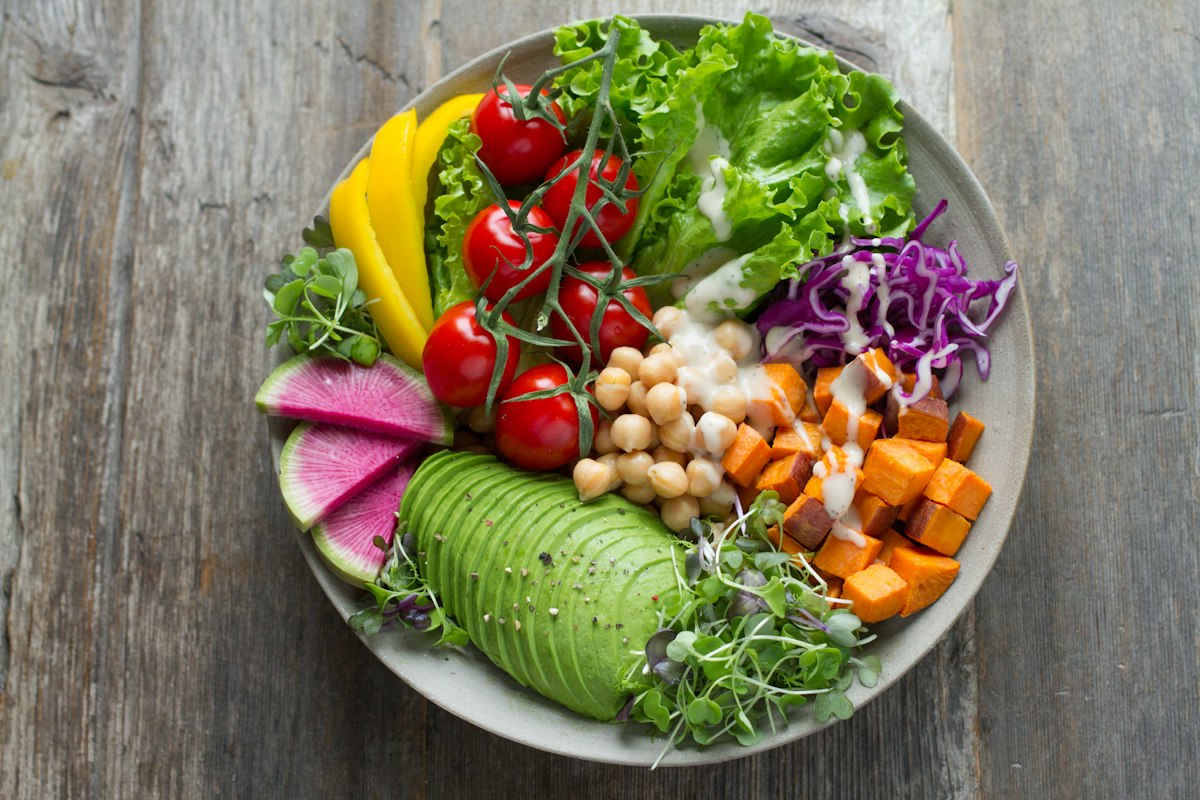
Cruciferous vegetables: Broccoli, cauliflower, Brussels sprouts, cabbage—contain compounds that enhance liver detoxification enzymes.
Leafy greens: Chlorophyll helps remove toxins and supports liver function.
Garlic and onions: Contain sulfur compounds that support liver phase 2 detoxification.
Berries: High in antioxidants that protect cells from oxidative damage.
Citrus fruits: Vitamin C supports liver function and glutathione production.
Beets: Support bile production and liver function.
3. Increase Fiber Intake
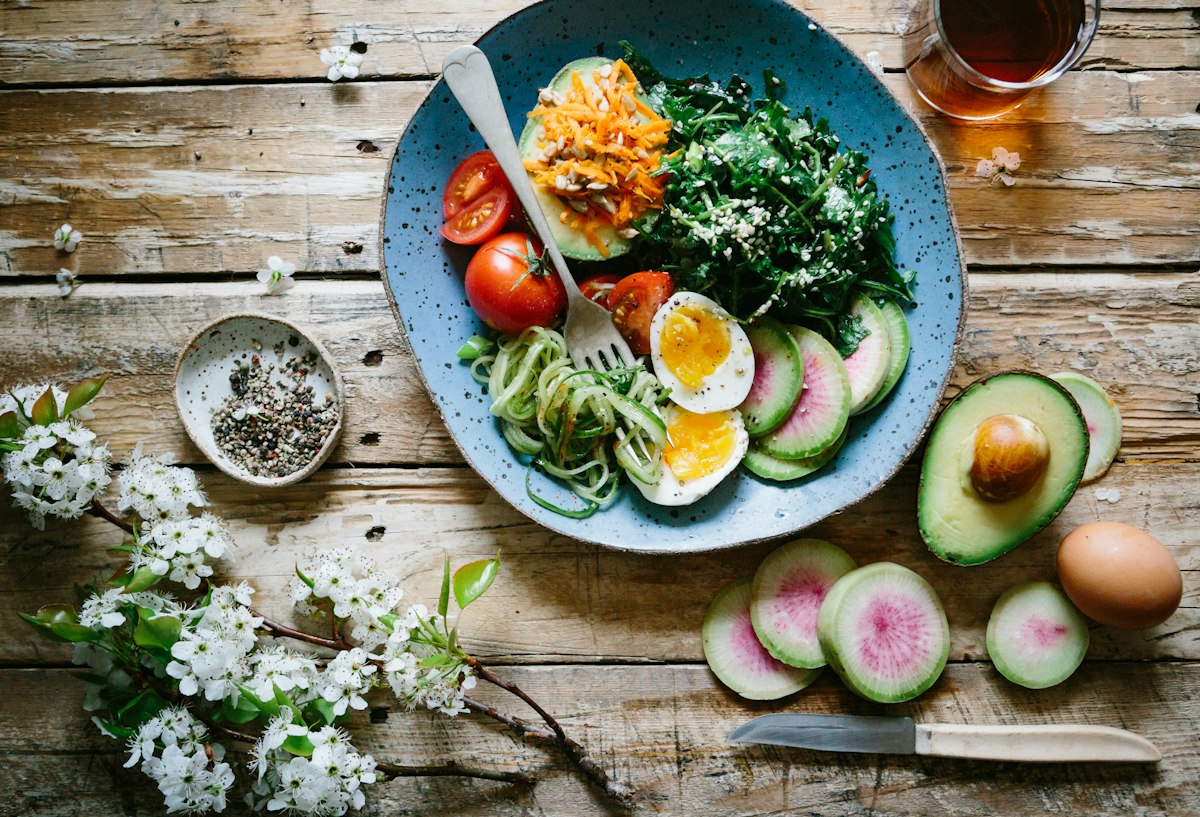
Fiber binds to toxins in the digestive tract and carries them out of the body. Without adequate fiber, toxins can be reabsorbed.
High-fiber foods:
- Vegetables and fruits
- Legumes (beans, lentils)
- Whole grains
- Nuts and seeds
Goal: 25-35 grams daily
4. Reduce Toxin Exposure 🚫
Prevention is the best detox strategy. Reduce exposure to:
Food toxins:
- Choose organic when possible (especially “dirty dozen”)
- Minimize processed foods
- Limit alcohol
- Avoid artificial additives
Environmental toxins:
- Use natural cleaning products
- Choose personal care products without harmful chemicals
- Filter drinking water
- Avoid plastic food containers (especially heated)
- Improve indoor air quality
5. Support Gut Health
A healthy gut is essential for toxin elimination. Support your microbiome:
- Eat probiotic foods (yogurt, kefir, sauerkraut)
- Include prebiotic fiber (garlic, onions, bananas)
- Limit sugar and processed foods
- Manage stress (gut-brain connection)
6. Exercise Regularly 🏃
Exercise supports detoxification through:
- Sweating (eliminates some toxins)
- Improved circulation (moves toxins to elimination organs)
- Enhanced lymphatic flow
- Better bowel regularity
- Reduced fat stores (where toxins accumulate)

Goal: 150 minutes moderate exercise weekly
7. Get Quality Sleep 😴
Sleep is when your body does major repair and detoxification work. The brain’s glymphatic system clears waste during sleep.
Sleep hygiene:
- 7-9 hours nightly
- Consistent sleep/wake times
- Dark, cool sleeping environment
- Avoid screens before bed
8. Try Dry Brushing
Dry brushing is a traditional practice that may support the lymphatic system:
- Use a natural bristle brush
- Brush dry skin before showering
- Stroke toward the heart
- Start at feet and work upward
Benefits: Improved circulation, potential lymph support, exfoliation.
9. Practice Deep Breathing
Your lungs eliminate carbon dioxide and other gaseous toxins. Deep breathing:
- Increases oxygen delivery to cells
- Supports lymphatic movement
- Activates parasympathetic system (supports digestion)
Try: 5-10 minutes of deep diaphragmatic breathing daily.
10. Consider Sauna Sessions 🧖
Sweating through sauna use may help eliminate certain toxins (heavy metals, BPA). Research is still emerging, but traditional sauna use has long been associated with health benefits.

Guidelines:
- Start with 10-15 minutes
- Stay well hydrated
- Listen to your body
- Avoid if contraindicated for health reasons
11. Support Your Liver
Your liver does the heavy lifting in detoxification. Support it with:
- Milk thistle: Contains silymarin, which protects liver cells
- Dandelion root: Traditional liver tonic
- Turmeric: Anti-inflammatory, supports liver function
- Green tea: Antioxidant support
Limit liver stressors: excessive alcohol, unnecessary medications, highly processed foods.
12. Practice Intermittent Fasting
Fasting gives your digestive system a break and may enhance cellular cleanup processes (autophagy).
Simple approach: 12-16 hour overnight fast (stop eating by 8 PM, eat again at 8-10 AM).
Fasting isn’t for everyone—consult a healthcare provider if you have health conditions or take medications.
What About “Detox” Products?
Be skeptical of expensive detox supplements, teas, and programs. Many are:
- Not scientifically proven
- Potentially harmful
- Unnecessarily expensive
- Just marketing hype
Your body’s detox systems don’t need special products—they need the right support through diet, hydration, sleep, and lifestyle.
Sample Detox-Supportive Day
Morning: Large glass of warm lemon water, green smoothie with spinach, berries, and flaxseed
Mid-morning: Dry brushing before shower, deep breathing practice
Lunch: Large salad with cruciferous vegetables, grilled salmon, olive oil dressing
Afternoon: Herbal tea (dandelion root or green tea), handful of walnuts
Dinner: Roasted vegetables with garlic and onion, lean protein, quinoa
Evening: Light walk, early to bed for quality sleep
When to See a Doctor
Seek medical attention if you experience:
- Symptoms of toxic exposure
- Persistent fatigue or illness
- Liver or kidney problems
- Desire for professional detox support
Conclusion: Support Your Natural Detox Systems
Your body is remarkably good at detoxification when given proper support. Rather than extreme cleanses or expensive products, focus on the basics: hydration, whole foods, fiber, sleep, exercise, and reducing toxin exposure.
Start today: Choose 2-3 strategies from this list and implement them consistently. Your body’s detox systems will thank you! 🌟
Remember: The best detox is a healthy lifestyle. Sustainable daily habits beat short-term cleanses every time.
