


Headaches are one of the most common health complaints, affecting nearly everyone at some point. While reaching for medication is tempting, many natural remedies for headaches can effectively relieve pain without pills. Understanding what triggers your headaches and how to address them naturally can transform your approach to pain management.
In this comprehensive guide, we’ll explore 15 evidence-based natural headache remedies. Find relief the natural way! 🌿
Understanding Different Types of Headaches
Tension Headaches
The most common type—feel like a tight band around your head. Often caused by stress, poor posture, or muscle tension.
Migraines
Intense, throbbing pain often on one side of the head. May include nausea, light sensitivity, and visual disturbances.
Cluster Headaches
Severe pain around one eye. Occur in clusters over weeks or months.
Sinus Headaches
Pain and pressure in the forehead and cheeks, often with congestion.
15 Natural Headache Remedies
1. Stay Hydrated 💧
Dehydration is a leading headache trigger. Even mild dehydration can cause headaches and impair concentration.
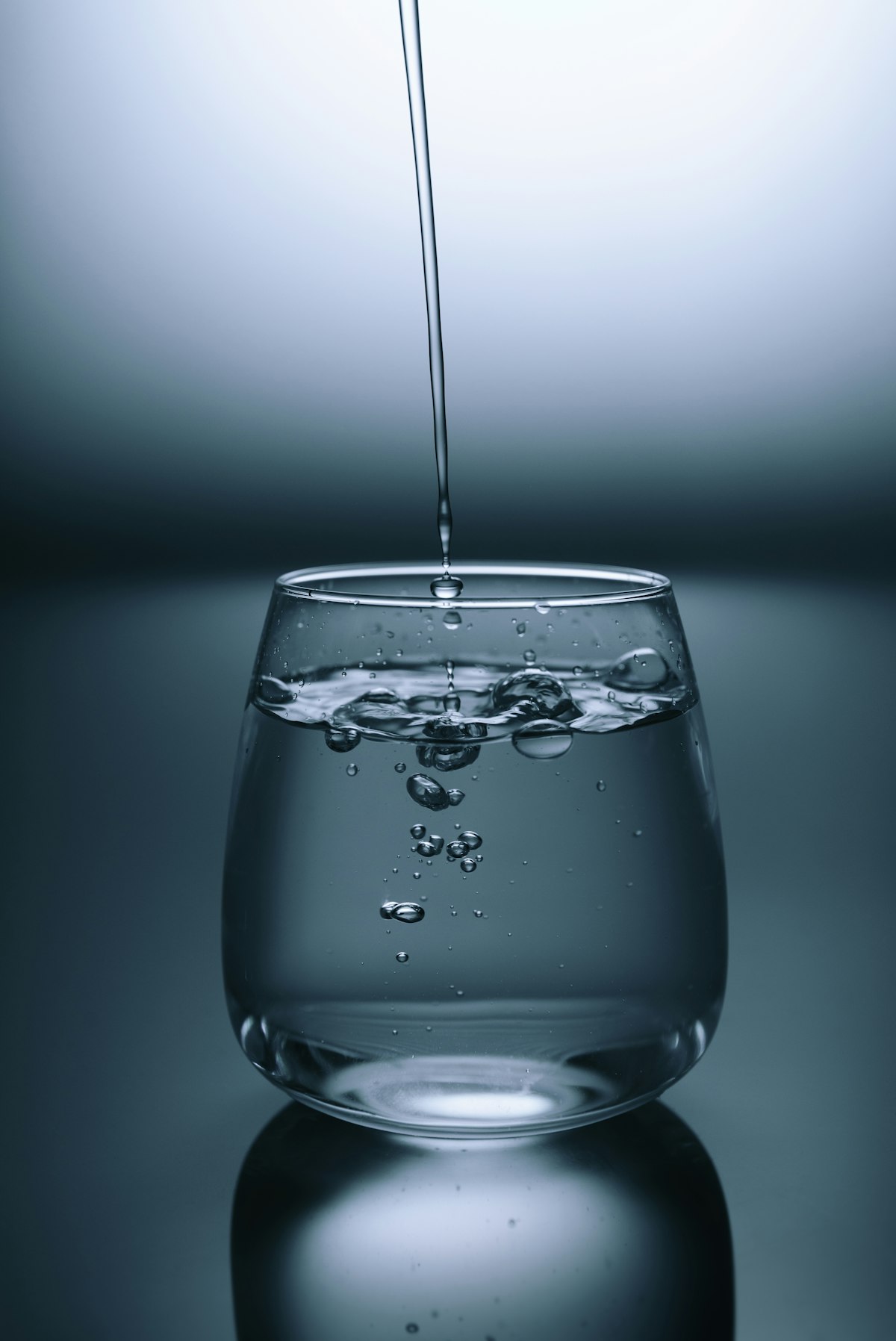
Research: Studies show that drinking water can relieve headaches within 30 minutes to 3 hours.
Action:
- Drink 8-10 glasses of water daily
- At first sign of headache, drink a large glass of water
- Limit dehydrating beverages (alcohol, excessive caffeine)
2. Apply Cold or Heat
Cold therapy: Constricts blood vessels, numbs pain. Best for migraines.
- Apply ice pack wrapped in cloth to forehead, temples, or neck
- 15-20 minutes on, 15-20 minutes off
Heat therapy: Relaxes tense muscles. Best for tension headaches.
- Warm compress on neck and shoulders
- Warm shower or bath
- Heating pad on low setting
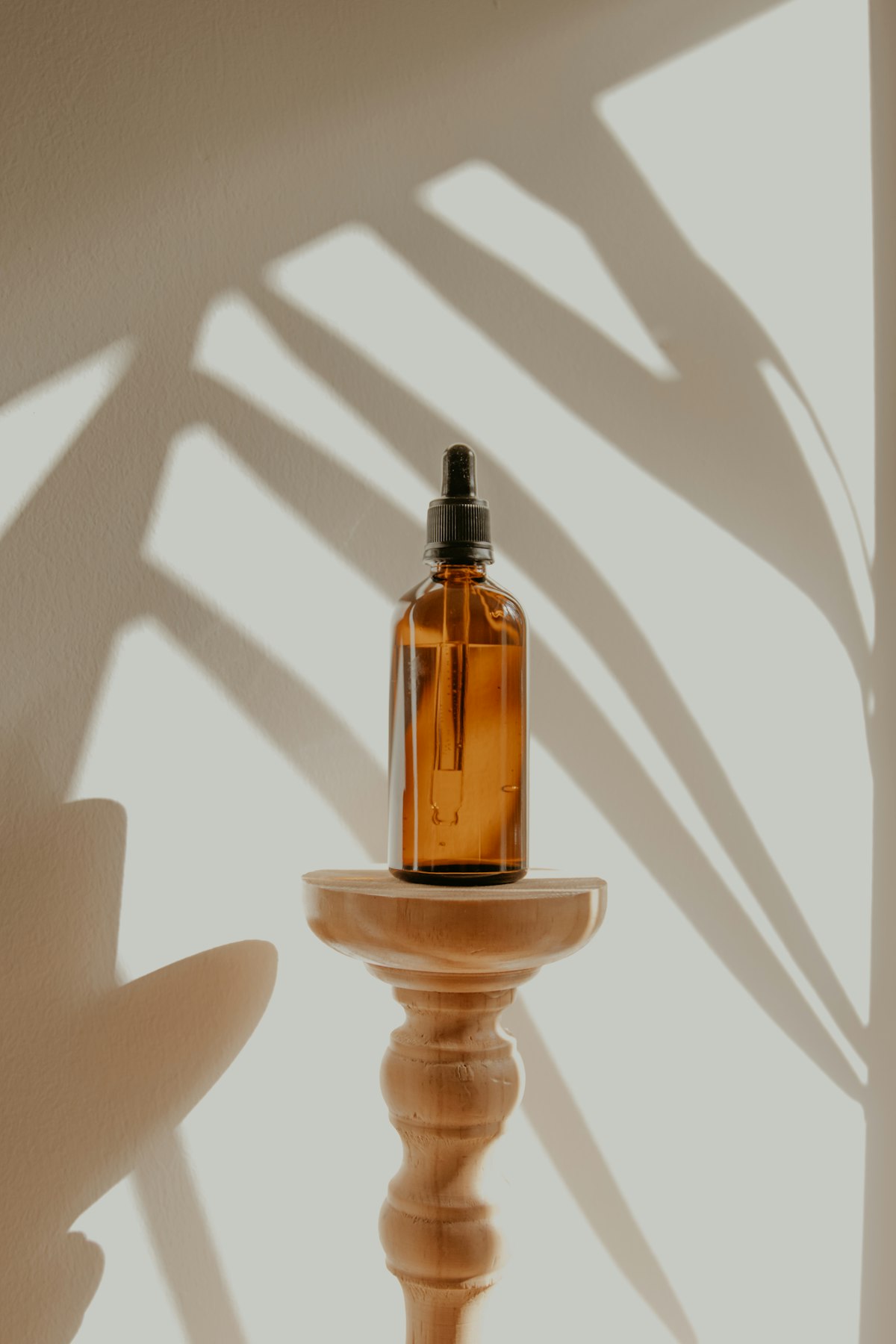
3. Try Essential Oils 🌸
Peppermint oil: Contains menthol, which may help relax muscles and ease pain. Apply diluted to temples.
Lavender oil: Has calming properties. Inhale directly or apply diluted to temples. Studies show it can reduce migraine severity.
Eucalyptus oil: May help open sinuses and relieve sinus headaches.
4. Practice Relaxation Techniques
Stress is a major headache trigger. Relaxation techniques can both prevent and treat headaches.
Deep breathing:
- Breathe in slowly for 4 counts
- Hold for 4 counts
- Exhale slowly for 6 counts
- Repeat 5-10 times
Progressive muscle relaxation: Tense and release each muscle group from toes to head.
Meditation: Even 10 minutes can reduce headache frequency and intensity.
5. Get Adequate Sleep 😴
Both too little and too much sleep can trigger headaches. Aim for consistent sleep:
- 7-9 hours nightly
- Same bedtime and wake time daily
- Dark, cool, quiet sleep environment
- Avoid screens before bed
6. Try Ginger
Ginger has anti-inflammatory and antiemetic properties. Research shows it’s effective for migraines—one study found it as effective as prescription migraine medication.
How to use:
- Ginger tea (fresh ginger steeped in hot water)
- Ginger supplements (250mg, 4x daily at onset)
- Ginger candies or crystallized ginger
7. Massage Therapy
Massage relieves muscle tension that causes tension headaches. Focus on:
- Temples (circular motions)
- Base of skull
- Neck and shoulders
- Between eyebrows

Professional massage therapy has been shown to reduce migraine frequency.
8. Drink Caffeine (Strategically) ☕
Caffeine can both help and hurt headaches:
Benefits:
- Constricts blood vessels (helpful for some headaches)
- Enhances pain reliever effectiveness
- Provides relief for caffeine withdrawal headaches
Cautions:
- Too much caffeine can cause headaches
- Withdrawal from regular caffeine use triggers headaches
- Limit to 1-2 cups coffee daily
9. Acupressure
Apply firm pressure to specific points:
LI-4 (Union Valley): Between thumb and index finger. Apply pressure for 5 minutes.
GB-20 (Gates of Consciousness): Base of skull, in the hollow between the two neck muscles. Apply pressure for 15-30 seconds.
10. Magnesium Supplementation
Magnesium deficiency is common in migraine sufferers. Studies show magnesium can reduce migraine frequency by up to 41%.
Options:
- Supplements: 400-500 mg magnesium oxide or citrate daily
- Food sources: Dark chocolate, avocados, nuts, seeds, leafy greens
11. Try Feverfew
This herb has been used for centuries for headaches. Research supports its effectiveness for migraine prevention.
How to use: Supplements (100-150 mg daily) or fresh leaves (2-3 daily)
Note: Don’t use if pregnant; can cause mouth ulcers in some people.
12. Exercise Regularly 🏃
Regular exercise prevents headaches by:
- Reducing stress and tension
- Releasing endorphins (natural painkillers)
- Improving sleep quality
- Promoting overall health
Best activities: Walking, swimming, cycling, yoga
Caution: Intense exercise can trigger headaches in some people; build up gradually.
13. Limit Alcohol
Alcohol can trigger headaches through:
- Dehydration
- Histamine and tyramine content (especially red wine)
- Blood vessel dilation
If you get headaches from alcohol, identify triggers and limit or avoid them.
14. Identify and Avoid Food Triggers
Common headache trigger foods:
- Aged cheeses
- Processed meats (nitrates)
- MSG (monosodium glutamate)
- Artificial sweeteners (especially aspartame)
- Chocolate
- Alcohol (especially red wine)
- Caffeine (excessive or withdrawal)
Keep a food diary to identify your personal triggers.
15. B Vitamins
B vitamins, especially B2 (riboflavin), B6, B9 (folate), and B12, may reduce headache frequency and severity.

Riboflavin (B2): 400 mg daily has been shown to reduce migraine frequency.
B-Complex: Provides multiple B vitamins that support nervous system health.
Quick Relief Protocol
At the first sign of a headache:
- Drink a large glass of water
- Apply cold pack to forehead or warm compress to neck
- Move to a quiet, dark room
- Apply peppermint oil to temples
- Practice deep breathing for 5 minutes
- Rest if possible
Headache Prevention Strategies
- Stay hydrated throughout the day
- Maintain regular sleep schedule
- Exercise regularly
- Manage stress proactively
- Avoid known triggers
- Take breaks from screens (20-20-20 rule)
- Practice good posture
- Consider preventive supplements (magnesium, B2)
When to See a Doctor
Seek medical attention if you experience:
- Sudden, severe headache (“worst headache of your life”)
- Headache with fever, stiff neck, confusion, or vision changes
- Headache after head injury
- Chronic daily headaches
- Headaches that worsen over time
- Headaches that don’t respond to natural remedies or OTC medications
Conclusion: Find Your Natural Relief
Headaches don’t have to control your life, and you don’t always need medication to find relief. By understanding your triggers and employing these natural remedies, you can reduce headache frequency and severity significantly.
Start today: Keep a headache diary to identify your triggers, stay well-hydrated, and try 2-3 remedies from this list next time a headache strikes. 🌟
Remember: While these remedies are generally safe, chronic or severe headaches warrant medical evaluation. Natural doesn’t always mean risk-free—consult a healthcare provider if you’re unsure.
