



Anxiety affects over 40 million American adults, making it the most common mental health condition. While medication helps many people, others seek natural remedies for anxiety to manage symptoms without side effects. The good news? Many natural approaches have solid scientific support.
In this guide, we’ll explore 14 evidence-based natural remedies to help calm your anxious mind. Relief is possible! 🌿
Understanding Anxiety
Anxiety is a normal human emotion that becomes problematic when it’s:
- Excessive and persistent
- Difficult to control
- Interfering with daily life
- Causing physical symptoms
Common anxiety symptoms:
- Racing thoughts and worry
- Restlessness and tension
- Rapid heartbeat
- Difficulty sleeping
- Difficulty concentrating
- Irritability
14 Natural Remedies for Anxiety
Lifestyle Approaches
1. Regular Exercise 🏃
Exercise is one of the most effective natural anxiety treatments:
- Releases endorphins (natural mood elevators)
- Reduces cortisol and adrenaline
- Improves sleep quality
- Provides distraction from worries

Research: Studies show exercise is as effective as medication for some people with anxiety.
Recommendation: 30 minutes of moderate exercise most days—walking, swimming, cycling, or yoga.
2. Mindfulness Meditation
Mindfulness trains your brain to stay present rather than worrying about the future.
Evidence: A JAMA meta-analysis found mindfulness programs significantly reduce anxiety symptoms.
How to start:
- Start with 5-10 minutes daily
- Use guided apps (Headspace, Calm, Insight Timer)
- Focus on breath, return when mind wanders
- Be patient—benefits build over weeks
3. Deep Breathing Exercises 🌬️
Deep breathing activates the parasympathetic nervous system, directly counteracting anxiety’s physical symptoms.
4-7-8 Technique:
- Inhale through nose for 4 counts
- Hold for 7 counts
- Exhale through mouth for 8 counts
- Repeat 4 times
Use whenever anxiety spikes or as a daily practice.
4. Quality Sleep 😴
Sleep deprivation significantly worsens anxiety. The relationship is bidirectional—anxiety disrupts sleep, poor sleep increases anxiety.
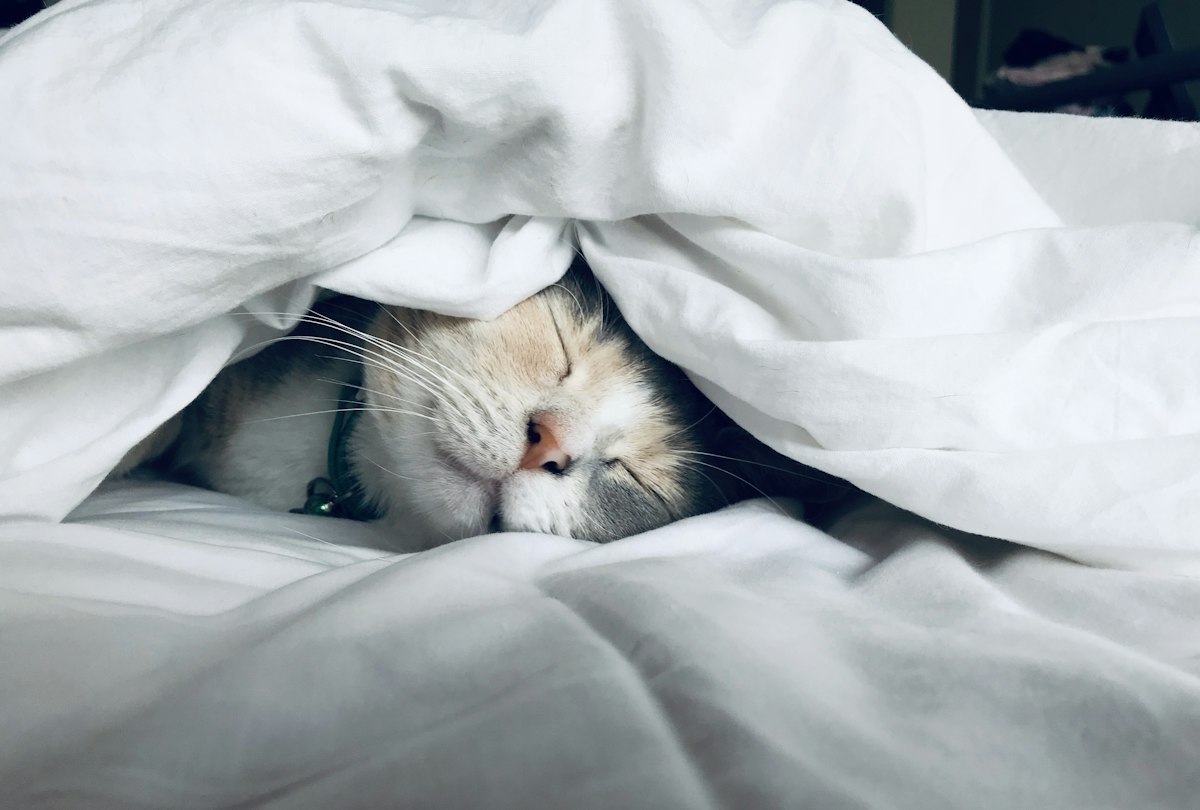
Sleep hygiene tips:
- 7-9 hours nightly
- Consistent schedule
- Dark, cool room
- No screens before bed
- Relaxing bedtime routine
5. Limit Caffeine and Alcohol
Caffeine: Can trigger and worsen anxiety symptoms. Limit to 1-2 cups of coffee before noon, or eliminate entirely.
Alcohol: While it may seem calming, alcohol actually increases anxiety long-term and disrupts sleep.
Herbal Remedies
6. Chamomile
Chamomile has been used for centuries as a calming tea. Research now supports its effectiveness:
Study finding: Chamomile extract significantly reduced anxiety symptoms in those with generalized anxiety disorder.
How to use: Chamomile tea (2-3 cups daily) or supplements (220-1,100mg daily).
7. Lavender 💜
Lavender aromatherapy has calming effects on the nervous system.
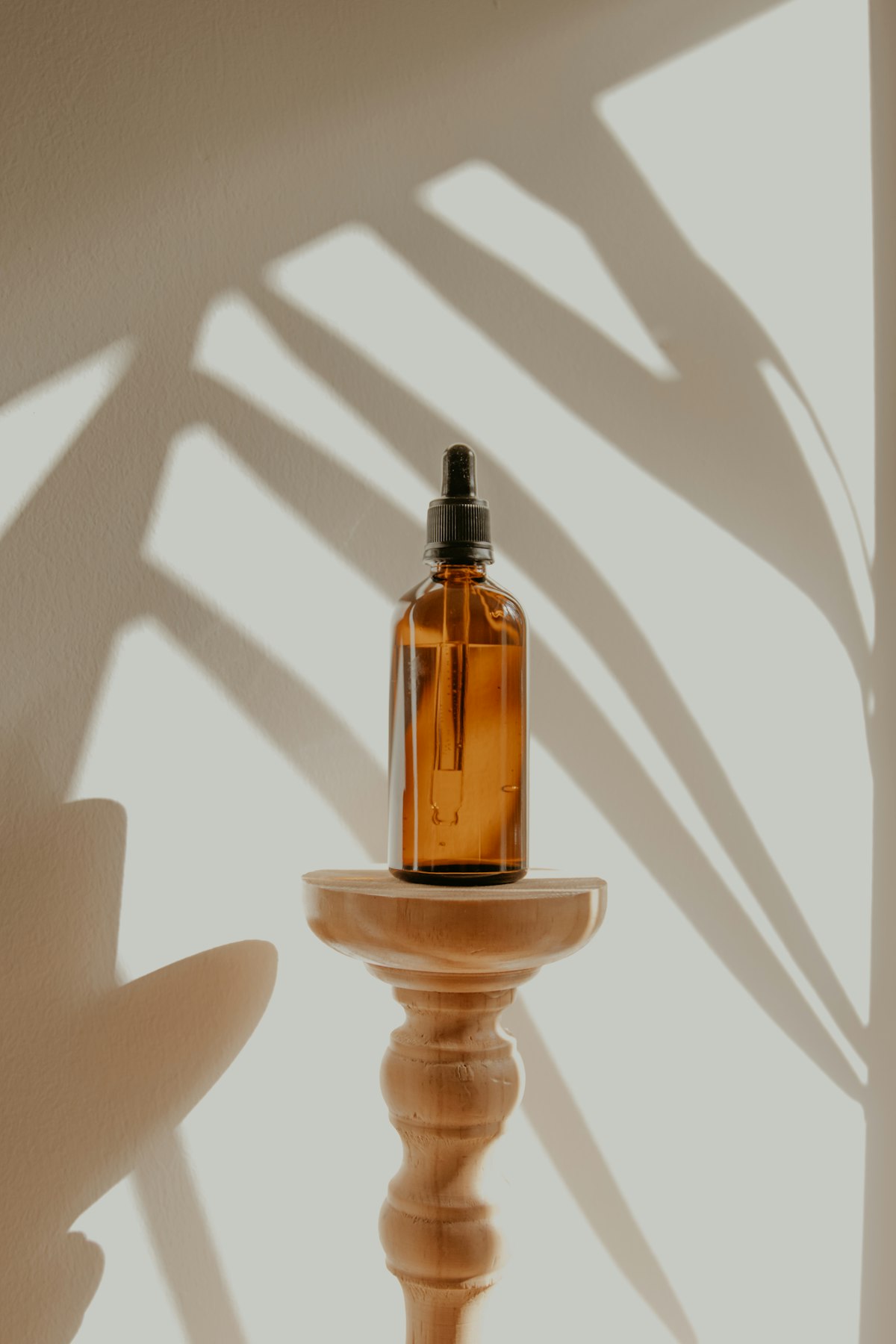
Research: Studies show lavender oil reduces anxiety comparable to anti-anxiety medications.
How to use:
- Essential oil diffuser
- Add to bath
- Apply diluted to temples
- Silexan (oral lavender supplement)
8. Ashwagandha
This adaptogen herb helps the body manage stress and has growing research support:
Study: Ashwagandha reduced anxiety scores by 56% in one double-blind trial.
Dose: 300-600mg daily of root extract.
9. Passionflower
Traditional anxiety remedy with emerging scientific support:
Research: Some studies show passionflower is as effective as benzodiazepines for anxiety, with fewer side effects.
How to use: Tea or supplements (45 drops of extract or 500-1,000mg daily).
Nutritional Approaches
10. Omega-3 Fatty Acids
Omega-3s have anti-inflammatory effects and support brain health:
Research: Studies show omega-3 supplementation reduces anxiety symptoms.
Sources: Fatty fish (2-3 servings weekly), fish oil supplements (1-2g EPA/DHA daily), walnuts, flaxseeds.
11. Magnesium
Magnesium deficiency is common and linked to anxiety. Supplementation may help:
Research: Studies suggest magnesium supplementation reduces subjective anxiety.
Sources: Leafy greens, nuts, dark chocolate, supplements (300-400mg daily).
12. Probiotics
The gut-brain connection means gut health affects mental health:
Research: Certain probiotic strains (Lactobacillus and Bifidobacterium) may reduce anxiety symptoms.
Sources: Yogurt, kefir, sauerkraut, probiotic supplements.
Mind-Body Practices
13. Yoga 🧘
Combines physical movement, breath control, and meditation—addressing anxiety on multiple levels.
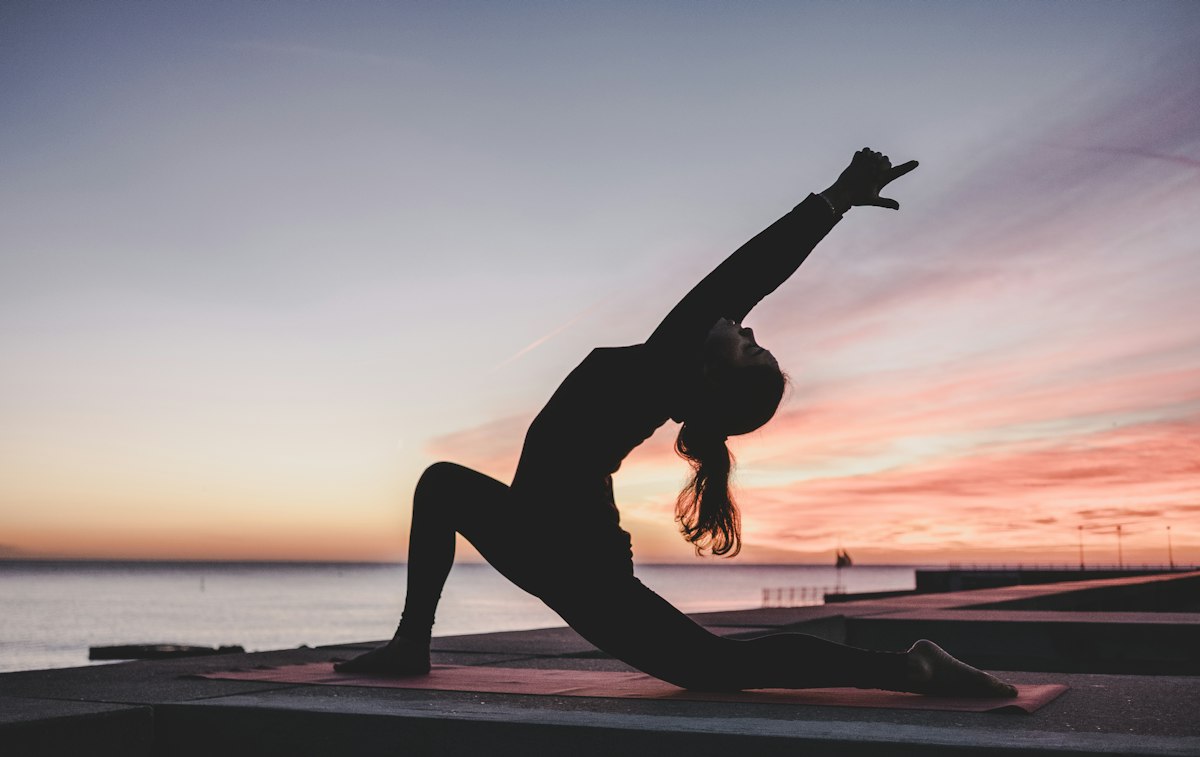
Research: Multiple studies show yoga significantly reduces anxiety symptoms.
Best styles for anxiety: Restorative yoga, Yin yoga, Hatha yoga.
14. Progressive Muscle Relaxation
Systematically tensing and releasing muscle groups releases physical tension that accompanies anxiety.
How to practice:
- Find a comfortable position
- Starting with feet, tense muscles for 5 seconds
- Release and notice relaxation for 10-15 seconds
- Move up through each muscle group
- End with facial muscles
Creating Your Anxiety Relief Plan
Combine multiple approaches for best results:
Daily practices:
- Morning: Exercise, deep breathing
- Throughout day: Mindful moments, herbal tea
- Evening: Yoga or PMR, sleep routine
Supplements to consider:
- Omega-3s and magnesium (safe for most)
- Chamomile or lavender
- Ashwagandha (consult provider first)
When to Seek Professional Help
Natural remedies are helpful but sometimes insufficient. Seek help if:
- Anxiety significantly impacts daily life
- You experience panic attacks
- Natural approaches aren’t providing relief
- You’re using substances to cope
- You have thoughts of self-harm
Professional treatments like CBT (cognitive behavioral therapy) are highly effective and can be combined with natural approaches.
Conclusion: Find Your Calm
Anxiety is challenging but manageable. These 14 natural remedies provide multiple pathways to relief—experiment to find what works for you.
Start today: Choose 2-3 approaches to implement this week. Be patient—natural remedies often take 2-4 weeks to show full effects. 🌟
Remember: You don’t have to live with overwhelming anxiety. Help is available—both natural and professional. Take the first step toward calm.
