


Intermittent fasting (IF) has become one of the most popular health and fitness trends worldwide—and for good reason. This eating pattern has been linked to weight loss, improved metabolic health, and even increased longevity. But if you’re new to the concept, getting started can feel overwhelming.
In this complete beginner’s guide to intermittent fasting, we’ll break down everything you need to know to start your IF journey safely and effectively. 🕐
What Is Intermittent Fasting?
Unlike traditional diets that focus on what you eat, intermittent fasting focuses on when you eat. It’s an eating pattern that cycles between periods of fasting and eating.
Importantly, intermittent fasting is not starvation—it’s a strategic approach to meal timing that humans have practiced throughout history, whether intentionally or due to food scarcity.
The Science Behind Intermittent Fasting
When you fast, several important changes occur in your body:
Hormonal Changes
- Human Growth Hormone (HGH): Levels can increase by up to 5-fold, facilitating fat burning and muscle gain
- Insulin: Levels drop significantly, making stored body fat more accessible
- Norepinephrine: The nervous system sends this fat-burning signal to fat cells
Cellular Repair Processes
During fasting, your cells initiate autophagy—a cellular “cleanup” process that removes dysfunctional proteins and components. Research published in Nature suggests this process may help protect against diseases including cancer and Alzheimer’s.
Gene Expression
Fasting triggers changes in gene expression related to longevity and protection against disease.
Popular Intermittent Fasting Methods
There are several approaches to intermittent fasting. Here are the most popular methods for beginners:
1. The 16:8 Method (Leangains Protocol) ⭐
Best for: Beginners
Fast for 16 hours and eat during an 8-hour window. Most people skip breakfast and eat from noon to 8 PM.
Example schedule: Eat between 12 PM – 8 PM, fast from 8 PM – 12 PM
2. The 5:2 Diet
Best for: Those who don’t want to fast daily
Eat normally five days per week, then restrict calories to 500-600 on two non-consecutive days.
3. Eat-Stop-Eat
Best for: Experienced fasters
Complete 24-hour fasts once or twice per week. For example, fast from dinner one day to dinner the next day.
4. The Warrior Diet
Best for: Those comfortable with longer fasts
Eat small amounts of raw fruits and vegetables during the day, then one large meal at night within a 4-hour eating window.
5. Alternate-Day Fasting
Best for: Aggressive weight loss goals
Fast every other day, either completely or with just 500 calories on fasting days.
Benefits of Intermittent Fasting
Research has documented numerous benefits of IF:
Weight Loss and Fat Burning 🔥
- Reduces calorie intake naturally
- Increases metabolic rate by 3.6-14%
- Specifically targets belly fat (visceral fat reduction of 4-7%)
Improved Metabolic Health
- Reduces blood sugar levels by 3-6%
- Decreases fasting insulin by 20-31%
- Lowers inflammation markers
Brain Health
- Increases brain-derived neurotrophic factor (BDNF)
- May protect against Alzheimer’s disease
- Improves mental clarity and focus
Longevity
Studies in rats show intermittent fasting can extend lifespan by 36-83%. While human studies are ongoing, the cellular mechanisms suggest similar benefits.
How to Start Intermittent Fasting: Step-by-Step
Week 1: The Adjustment Phase
- Day 1-3: Start with a 12-hour fast (8 PM – 8 AM). This is essentially skipping late-night snacks.
- Day 4-7: Extend to a 14-hour fast (7 PM – 9 AM).
Week 2: Building the Habit
- Move to the full 16:8 schedule
- Choose your eating window (most popular: 12 PM – 8 PM)
- Stay consistent with timing each day
Week 3+: Optimization
- Focus on food quality during eating windows
- Add light exercise during fasted state
- Monitor energy levels and adjust as needed
What to Eat During Intermittent Fasting
While IF doesn’t restrict what you eat, optimizing your food choices maximizes results:
Foods to Prioritize
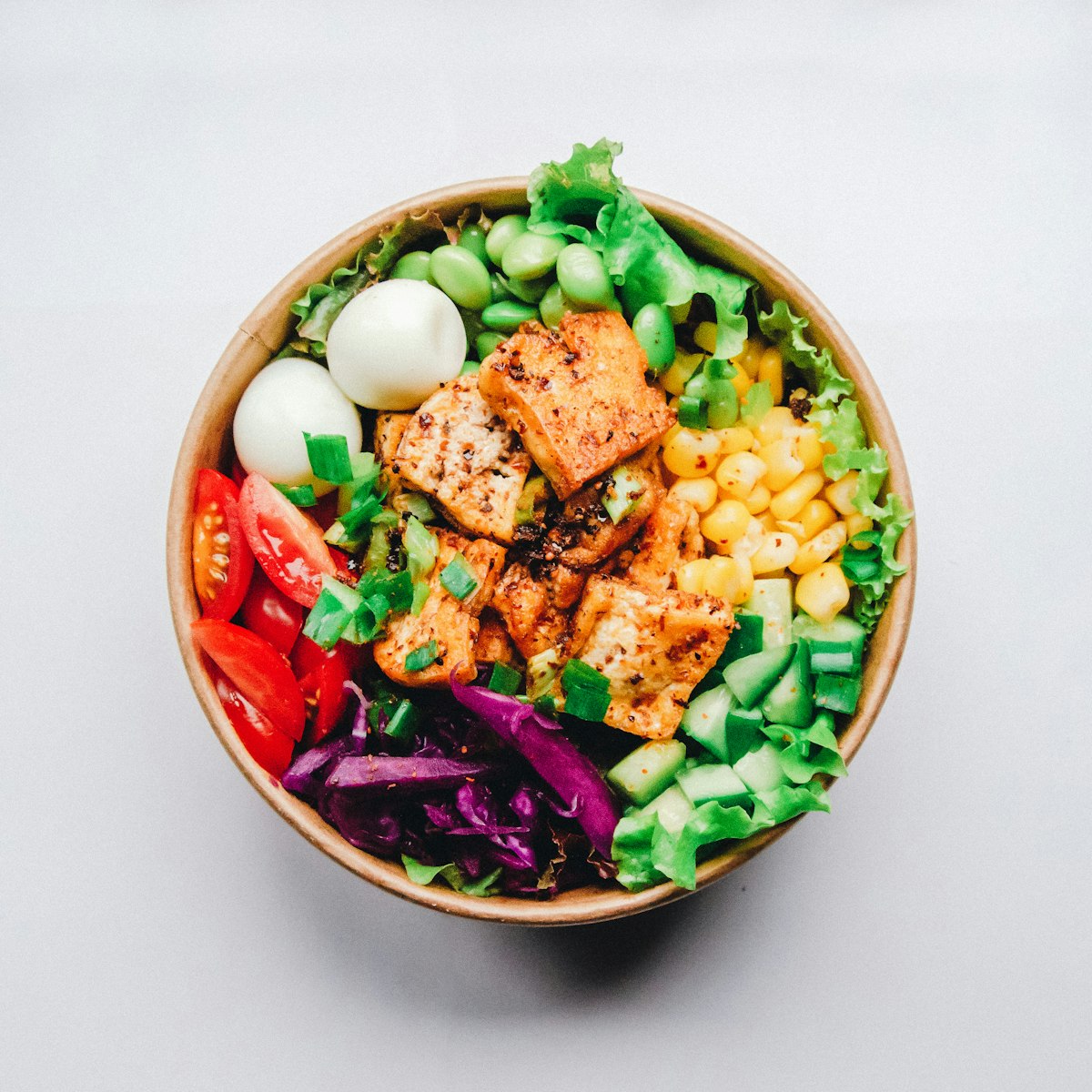
- Lean proteins: Chicken, fish, eggs, legumes
- Healthy fats: Avocados, nuts, olive oil
- Complex carbohydrates: Whole grains, vegetables, fruits
- Fiber-rich foods: Keeps you full longer
What You Can Consume While Fasting
- Water (plain or sparkling)
- Black coffee (no sugar or cream)
- Plain tea
- Apple cider vinegar (diluted)
Common Mistakes to Avoid
- Overeating during eating windows: IF isn’t a license to binge
- Not drinking enough water: Stay hydrated during fasting periods
- Starting too aggressively: Gradually extend your fasting window
- Ignoring hunger cues: Some hunger is normal; severe discomfort is not
- Expecting instant results: Give your body 2-4 weeks to adapt
Who Should Avoid Intermittent Fasting?
IF isn’t suitable for everyone. Consult your doctor before starting if you:
- Have a history of eating disorders
- Are pregnant or breastfeeding
- Have diabetes or blood sugar issues
- Take medications that require food
- Are underweight
- Are under 18 years old
Intermittent Fasting Tips for Success 💡
- Stay busy: Distraction makes fasting easier
- Drink black coffee: Caffeine suppresses appetite naturally
- Start on a busy day: You’ll be less focused on eating
- Be patient with hunger: It typically peaks and passes in 20-30 minutes
- Plan your first meal: Having a healthy meal ready prevents poor choices
- Get support: Join IF communities or find an accountability partner
Sample 16:8 Intermittent Fasting Schedule
- 6:00 AM: Wake up, drink water and black coffee
- 8:00 AM: More water or tea as needed
- 12:00 PM: Break fast with a balanced meal
- 3:00 PM: Small snack if needed (nuts, fruit)
- 7:30 PM: Dinner—your final meal of the day
- 8:00 PM: Fasting window begins
Conclusion: Is Intermittent Fasting Right for You?
Intermittent fasting is a powerful tool for weight loss and metabolic health—but it’s not magic. Success depends on consistency, patience, and pairing IF with nutritious food choices.
Ready to try it? Start with the 16:8 method this week. Give your body at least 2-4 weeks to adapt before judging results. Track your progress, listen to your body, and adjust as needed.
Your healthier lifestyle is just one eating window away! 🌟
Disclaimer: This article is for informational purposes only. Consult a healthcare professional before starting any new diet or fasting regimen.
