

Chronic inflammation is increasingly recognized as a root cause of many modern diseases—heart disease, diabetes, cancer, Alzheimer’s, and autoimmune conditions. While acute inflammation is your body’s healing response, chronic low-grade inflammation wreaks havoc on your health.
The good news? You can reduce inflammation in the body through diet and lifestyle changes. In this guide, we’ll explore 12 effective strategies to fight inflammation naturally. 🔥
Understanding Inflammation
Acute vs. Chronic Inflammation
Acute inflammation: Short-term, protective response to injury or infection. Signs include redness, heat, swelling, pain. This is healthy and necessary.
Chronic inflammation: Long-term, low-grade inflammation that persists for months or years. Often “silent”—no obvious symptoms until disease develops.
What Causes Chronic Inflammation?
- Poor diet (processed foods, sugar, bad fats)
- Sedentary lifestyle
- Chronic stress
- Poor sleep
- Environmental toxins
- Obesity
- Smoking
- Excessive alcohol
- Gut imbalances
12 Strategies to Reduce Inflammation
1. Follow an Anti-Inflammatory Diet 🥗
What you eat has the biggest impact on inflammation levels.
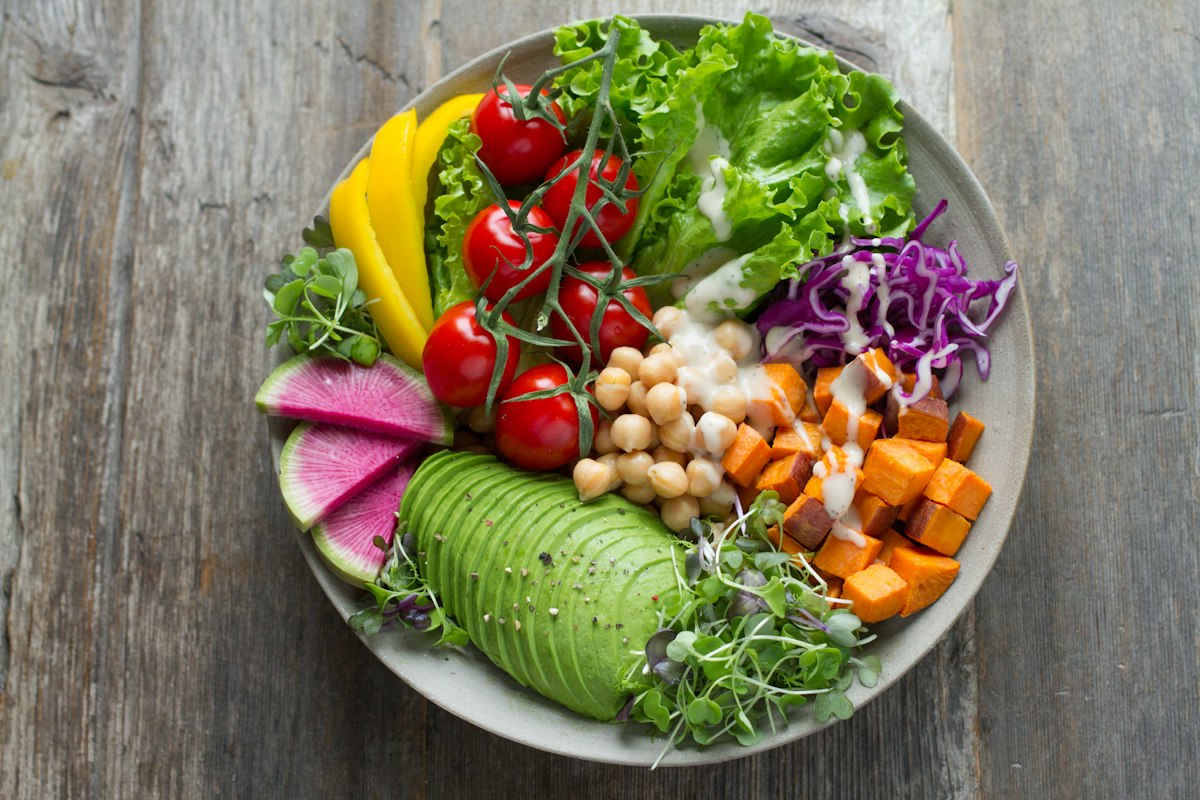
Foods that fight inflammation:
- Fatty fish: Salmon, mackerel, sardines (omega-3s)
- Leafy greens: Spinach, kale, collards
- Berries: Blueberries, strawberries, cherries
- Nuts: Walnuts, almonds
- Olive oil: Extra virgin, cold-pressed
- Tomatoes: High in lycopene
- Turmeric and ginger: Powerful anti-inflammatory spices
- Green tea: Rich in EGCG
- Dark chocolate: 70%+ cocoa
Foods that promote inflammation:
- Sugar and high-fructose corn syrup
- Refined carbohydrates
- Trans fats
- Processed meats
- Vegetable and seed oils (corn, soybean, sunflower)
- Excessive alcohol
2. Increase Omega-3 Fatty Acids
Omega-3s are potent inflammation fighters. Most people don’t get enough.
Best sources:
- Fatty fish (2-3 servings weekly)
- Fish oil supplements (1-2g EPA/DHA daily)
- Walnuts
- Flaxseeds and chia seeds
- Algae supplements (vegan option)
Also important: Reduce omega-6 intake (found in vegetable oils and processed foods) to improve omega-3 to omega-6 ratio.
3. Exercise Regularly 🏃
Regular moderate exercise reduces inflammation through multiple mechanisms:
- Reduces inflammatory markers (CRP, IL-6)
- Promotes weight loss
- Improves insulin sensitivity
- Releases anti-inflammatory myokines

Guidelines: 150 minutes moderate exercise weekly. Both cardio and strength training help.
Note: Over-exercising can increase inflammation. Rest and recovery are important.
4. Maintain Healthy Weight
Excess body fat—especially belly fat—is highly inflammatory. Fat tissue produces inflammatory chemicals called cytokines.
Research: Losing just 5-10% of body weight significantly reduces inflammatory markers.
Focus on: Sustainable weight loss through diet and exercise, not crash dieting.
5. Get Quality Sleep 😴
Sleep deprivation increases inflammatory markers. Even one night of poor sleep raises inflammation.
Research: People who sleep less than 6 hours have higher CRP levels.
Sleep optimization:
- 7-9 hours nightly
- Consistent sleep/wake times
- Dark, cool bedroom
- Limit screens before bed
- Address sleep disorders
6. Manage Chronic Stress
Chronic stress keeps your body in “fight or flight” mode, promoting inflammation through elevated cortisol and altered immune function.

Stress-reduction techniques:
- Meditation and mindfulness
- Deep breathing exercises
- Yoga and tai chi
- Time in nature
- Social connection
- Hobbies and enjoyable activities
7. Quit Smoking
Smoking is highly inflammatory. It damages blood vessels, promotes oxidative stress, and triggers immune responses.
Benefits of quitting: Inflammatory markers begin dropping within weeks of quitting and continue improving over time.
8. Limit Alcohol
Excessive alcohol increases inflammation through:
- Gut damage and bacterial translocation
- Liver stress
- Oxidative stress
Guidelines: If you drink, limit to 1 drink daily (women) or 2 (men). Consider eliminating alcohol entirely.
9. Support Gut Health 🦠
Your gut microbiome plays a crucial role in inflammation. An unhealthy gut can leak inflammatory compounds into the bloodstream.
Gut-supporting strategies:
- Eat probiotic foods (yogurt, kefir, sauerkraut)
- Consume prebiotic fiber (garlic, onions, asparagus)
- Limit processed foods and sugar
- Avoid unnecessary antibiotics
- Manage stress (gut-brain connection)
10. Use Anti-Inflammatory Spices
Turmeric: Contains curcumin, one of nature’s most powerful anti-inflammatories. Combine with black pepper to increase absorption by 2,000%.
Ginger: Reduces inflammation and eases pain. Use fresh or dried in cooking.
Other beneficial spices: Cinnamon, garlic, rosemary, cayenne
11. Consider Supplements
Some supplements have evidence for reducing inflammation:
- Fish oil: 1-2g EPA/DHA daily
- Curcumin: 500-2,000mg daily (with piperine)
- Vitamin D: If deficient (test levels first)
- Magnesium: 300-400mg daily
- Resveratrol: Found in red grapes and berries
Always consult a healthcare provider before starting supplements.
12. Reduce Environmental Toxins
Environmental toxins trigger inflammatory responses:
- Choose organic when possible (especially dirty dozen)
- Use natural cleaning products
- Filter drinking water
- Avoid plastic containers (especially heated)
- Improve indoor air quality
- Limit exposure to pollution
How to Measure Inflammation
Common tests for inflammation:
- hs-CRP (high-sensitivity C-reactive protein): General inflammation marker
- ESR (erythrocyte sedimentation rate): General inflammation
- Homocysteine: Cardiovascular inflammation risk
- Fasting insulin: Metabolic inflammation
Ask your doctor about testing if you’re concerned about inflammation.
Sample Anti-Inflammatory Day
Morning: Green tea, turmeric scrambled eggs with spinach, berries
Lunch: Large salad with salmon, olive oil dressing, walnuts
Snack: Apple with almond butter
Dinner: Grilled chicken with roasted vegetables, brown rice, ginger-garlic sauce
Evening: Chamomile tea, meditation, early bedtime
Conclusion: Take Control of Inflammation
Chronic inflammation may be invisible, but its effects are profound. The lifestyle choices you make every day either fuel inflammation or fight it.
Start today: Choose 2-3 strategies from this list and implement them consistently. Over time, add more. Your body’s inflammatory markers—and your overall health—will improve. 🌟
Remember: These strategies support overall health even if you don’t have obvious inflammation. Prevention is always better than treatment.
