

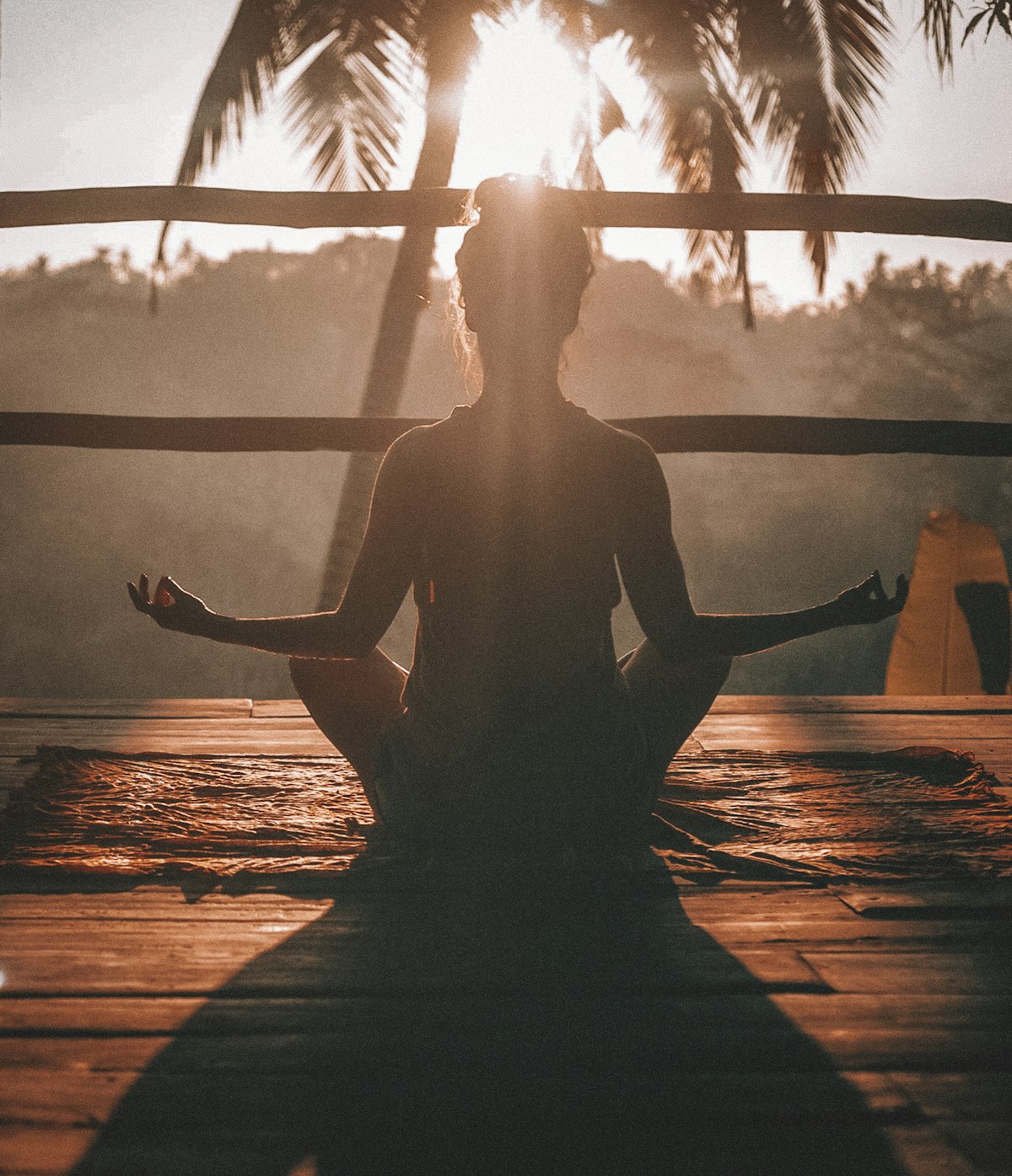
Anxiety affects over 40 million adults in the United States alone, making it the most common mental health condition. While medication can be helpful, many people seek natural ways to reduce anxiety without the side effects of pharmaceuticals.
The good news? Science has identified numerous natural strategies that genuinely help. In this comprehensive guide, we’ll explore 18 evidence-based methods to calm your mind and reduce anxiety naturally. 🧘
Understanding Anxiety
Anxiety is your body’s natural response to stress—a survival mechanism that helped our ancestors escape predators. However, in modern life, this response often activates inappropriately, leading to chronic anxiety.
Common anxiety symptoms include:
- Racing thoughts and constant worry
- Physical tension and restlessness
- Rapid heartbeat and shortness of breath
- Sleep difficulties
- Difficulty concentrating
- Irritability
18 Natural Ways to Reduce Anxiety
1. Practice Deep Breathing Exercises 🌬️
Deep breathing activates your parasympathetic nervous system, countering the fight-or-flight response.
Try the 4-7-8 technique:
- Inhale through your nose for 4 seconds
- Hold your breath for 7 seconds
- Exhale slowly through your mouth for 8 seconds
- Repeat 4 times
A study in Frontiers in Psychology found that diaphragmatic breathing significantly reduced cortisol levels and anxiety symptoms.
2. Regular Exercise
Physical activity is one of the most effective natural anxiety remedies. Exercise releases endorphins, reduces stress hormones, and improves sleep.
Research findings:
- 30 minutes of aerobic exercise can reduce anxiety for several hours
- Regular exercise is as effective as medication for some people
- Both cardio and strength training provide benefits
Recommendation: Aim for 150 minutes of moderate exercise weekly.
3. Limit Caffeine Intake ☕
Caffeine can trigger and worsen anxiety symptoms. It stimulates your nervous system and can cause jitteriness, increased heart rate, and sleep disruption.
Action steps:
- Limit coffee to 1-2 cups before noon
- Avoid energy drinks
- Consider switching to herbal tea
- Be aware of hidden caffeine in chocolate, medications, and supplements

4. Prioritize Quality Sleep 😴
Sleep deprivation significantly increases anxiety. The relationship is bidirectional—anxiety disrupts sleep, and poor sleep worsens anxiety.
Sleep hygiene tips:
- Maintain consistent sleep/wake times
- Create a dark, cool sleeping environment
- Avoid screens 1 hour before bed
- Limit alcohol and caffeine
- Develop a relaxing bedtime routine
5. Practice Mindfulness Meditation
Mindfulness meditation trains your brain to stay present rather than worrying about the future. Numerous studies confirm its effectiveness for anxiety reduction.
Research highlight: A meta-analysis in JAMA Internal Medicine found that mindfulness meditation programs showed moderate evidence for improving anxiety.
Getting started:
- Start with 5-10 minutes daily
- Use apps like Headspace or Calm
- Focus on your breath; when your mind wanders, gently return
6. Spend Time in Nature 🌿
Research shows that nature exposure reduces cortisol, lowers blood pressure, and decreases anxiety. The Japanese practice of “forest bathing” (shinrin-yoku) has been extensively studied.
Benefits appear after just 20 minutes in nature.
Ideas: Walk in a park, garden, hike, or simply sit outdoors.
7. Try Herbal Remedies
Several herbs have scientific support for anxiety relief:
Chamomile: A study in Phytomedicine found chamomile extract significantly reduced anxiety symptoms compared to placebo.
Lavender: Research shows lavender aromatherapy reduces anxiety in various settings. Silexan (lavender oil supplement) is approved for anxiety in Germany.
Passionflower: Studies suggest it’s as effective as benzodiazepines for anxiety, with fewer side effects.
Ashwagandha: This adaptogen herb reduced anxiety by 56% in one double-blind study.
Note: Consult a healthcare provider before starting supplements.
8. Reduce Alcohol Consumption 🍷
While alcohol may seem to calm anxiety temporarily, it actually worsens anxiety long-term by disrupting neurotransmitter balance and sleep quality.
The truth: Alcohol is a depressant that can trigger rebound anxiety as it leaves your system.
9. Practice Progressive Muscle Relaxation
PMR involves tensing and releasing muscle groups sequentially, reducing physical tension that accompanies anxiety.
How to practice:
- Find a comfortable position
- Starting with your feet, tense muscles for 5 seconds
- Release and notice the relaxation for 10 seconds
- Move up through each muscle group
- End with facial muscles
10. Journal Your Worries 📔
Writing down anxious thoughts helps externalize them, reducing their power. Research shows journaling can decrease anxiety and improve emotional processing.
Try these prompts:
- What specific worries are on my mind?
- What’s the worst that could happen? How likely is it?
- What would I tell a friend with this worry?
- What’s within my control right now?
11. Maintain Social Connections
Social isolation worsens anxiety, while meaningful connections provide support and perspective. Human beings are wired for connection.
Even introverts benefit from quality social time—focus on depth over quantity of interactions.
12. Limit News and Social Media
Constant exposure to negative news cycles increases anxiety. Studies show social media use correlates with higher anxiety levels, particularly in young adults.
Strategies:
- Set specific times for news consumption
- Unfollow anxiety-triggering accounts
- Take regular social media breaks
- Use app timers to limit usage
13. Try Aromatherapy
Certain scents have calming effects on the nervous system. Lavender, bergamot, and ylang-ylang are particularly well-studied.
Ways to use: Essential oil diffuser, bath products, pillow spray, or direct inhalation.
14. Eat an Anti-Anxiety Diet 🥗
What you eat affects how you feel. Research links certain dietary patterns to reduced anxiety:
Foods that help:
- Omega-3 fatty acids: Salmon, sardines, walnuts, flaxseeds
- Probiotics: Yogurt, kefir, sauerkraut (gut-brain connection)
- Magnesium-rich foods: Dark leafy greens, legumes, nuts
- Zinc: Oysters, beef, pumpkin seeds
- Dark chocolate: In moderation (>70% cacao)
Foods to limit: Sugar, processed foods, artificial sweeteners, excessive caffeine.
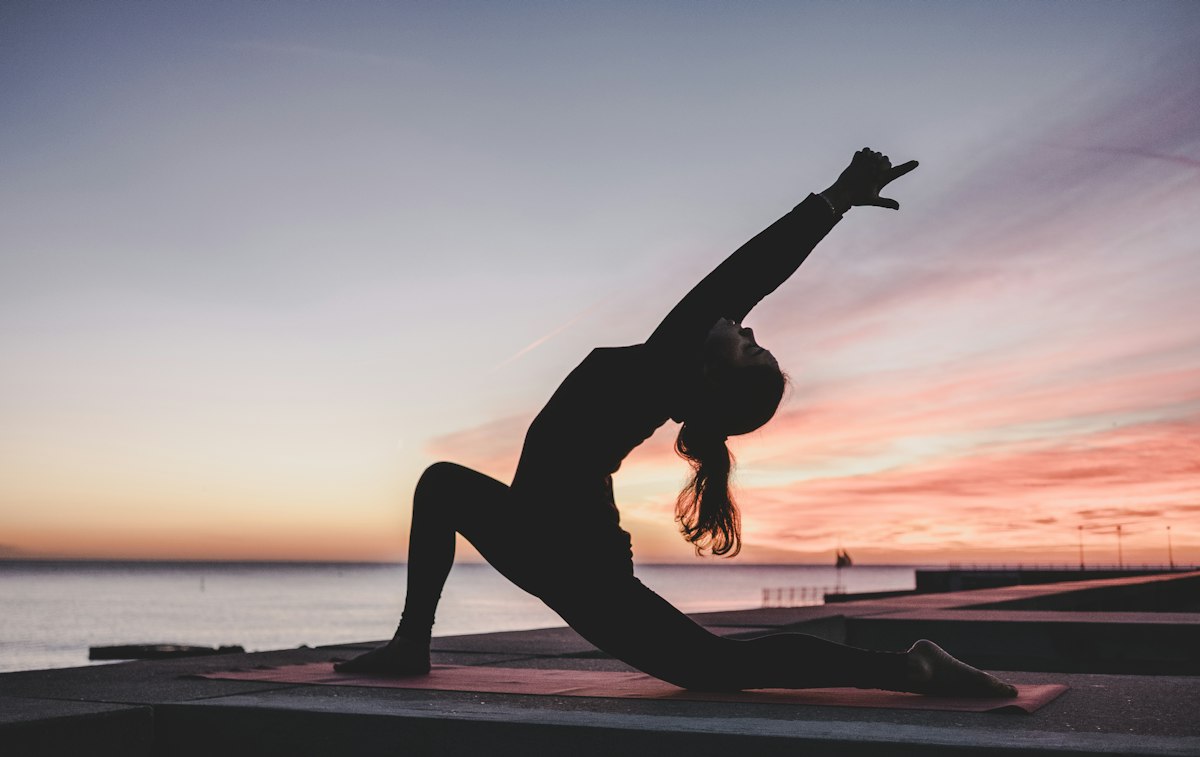
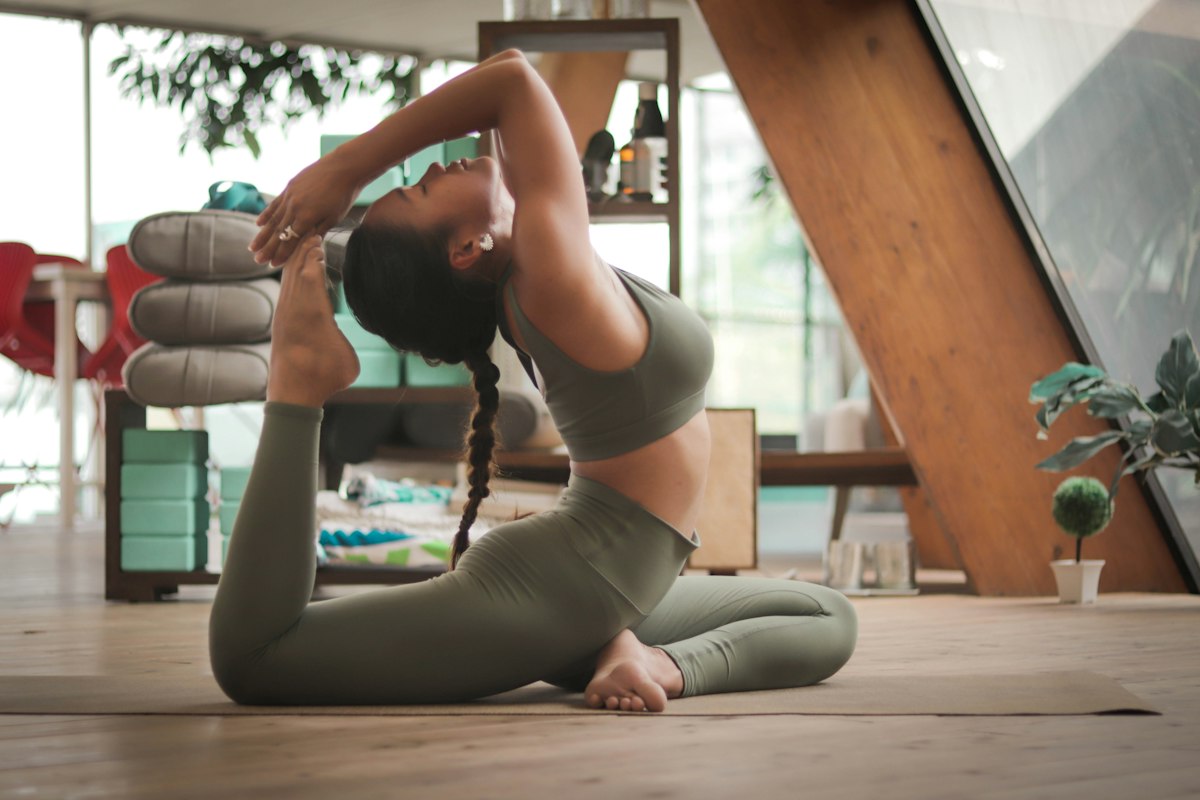
15. Practice Yoga
Yoga combines physical movement, breath control, and mindfulness—addressing anxiety on multiple levels. A Harvard review found yoga significantly reduces anxiety symptoms.
Anxiety-calming styles: Restorative yoga, Yin yoga, Hatha yoga
16. Ground Yourself with 5-4-3-2-1 Technique
When anxiety spikes, grounding techniques bring you back to the present moment:
- Name 5 things you can see
- Name 4 things you can touch
- Name 3 things you can hear
- Name 2 things you can smell
- Name 1 thing you can taste
17. Consider Supplements
Some supplements have research support for anxiety:
- Magnesium: Deficiency is linked to anxiety; supplementation may help
- L-theanine: Found in tea; promotes relaxation without drowsiness
- Omega-3 fatty acids: May reduce inflammation-related anxiety
- CBD oil: Growing evidence supports anti-anxiety effects
Always consult a healthcare provider before starting supplements.
18. Establish a Routine
Uncertainty fuels anxiety. Creating predictable daily routines provides a sense of control and stability.
Include:
- Consistent wake/sleep times
- Regular meal times
- Scheduled relaxation/self-care
- Structured work/break periods
When to Seek Professional Help
While natural methods are effective for many, sometimes professional support is needed. Seek help if:
- Anxiety significantly impacts daily life
- You experience panic attacks
- Self-help strategies aren’t providing relief
- You’re using alcohol or drugs to cope
- You have thoughts of self-harm
Cognitive-behavioral therapy (CBT) is highly effective for anxiety disorders.
Creating Your Anxiety-Reduction Plan
Week 1: Start with breathing exercises and improve sleep hygiene
Week 2: Add daily exercise and limit caffeine
Week 3: Begin mindfulness practice and journaling
Week 4: Incorporate nature time and social connection
Ongoing: Fine-tune what works best for you
Conclusion: Reclaim Your Calm
Anxiety is manageable—often without medication. By implementing these 18 natural strategies, you can significantly reduce anxiety and improve your quality of life.
Start today: Choose just 2-3 techniques from this list and commit to practicing them daily. As they become habits, add more. Progress over perfection! 🌟
Remember: You deserve peace of mind. Be patient with yourself—reducing anxiety is a journey, not a destination.
Disclaimer: This information is not a substitute for professional medical advice. If you’re struggling with severe anxiety, please consult a healthcare provider.
