

High cholesterol affects nearly 94 million American adults and is a major risk factor for heart disease—the leading cause of death worldwide. While medication is sometimes necessary, many people can lower cholesterol naturally through diet and lifestyle changes.
In this evidence-based guide, we’ll explore 12 proven strategies to reduce cholesterol without medication. Your heart will thank you! ❤️
Understanding Cholesterol
Cholesterol isn’t all bad—it’s essential for building cells and producing hormones. The key is balance:
- LDL (“bad” cholesterol): Builds up in artery walls, forming plaque
- HDL (“good” cholesterol): Removes LDL from arteries
- Triglycerides: Fat in blood that contributes to artery hardening
Healthy Cholesterol Numbers
- Total cholesterol: Under 200 mg/dL
- LDL: Under 100 mg/dL (under 70 for high-risk individuals)
- HDL: 60 mg/dL or higher
- Triglycerides: Under 150 mg/dL
12 Natural Ways to Lower Cholesterol
1. Eat More Soluble Fiber 🥣
Soluble fiber binds to cholesterol in your digestive system and removes it from your body before it enters your bloodstream.
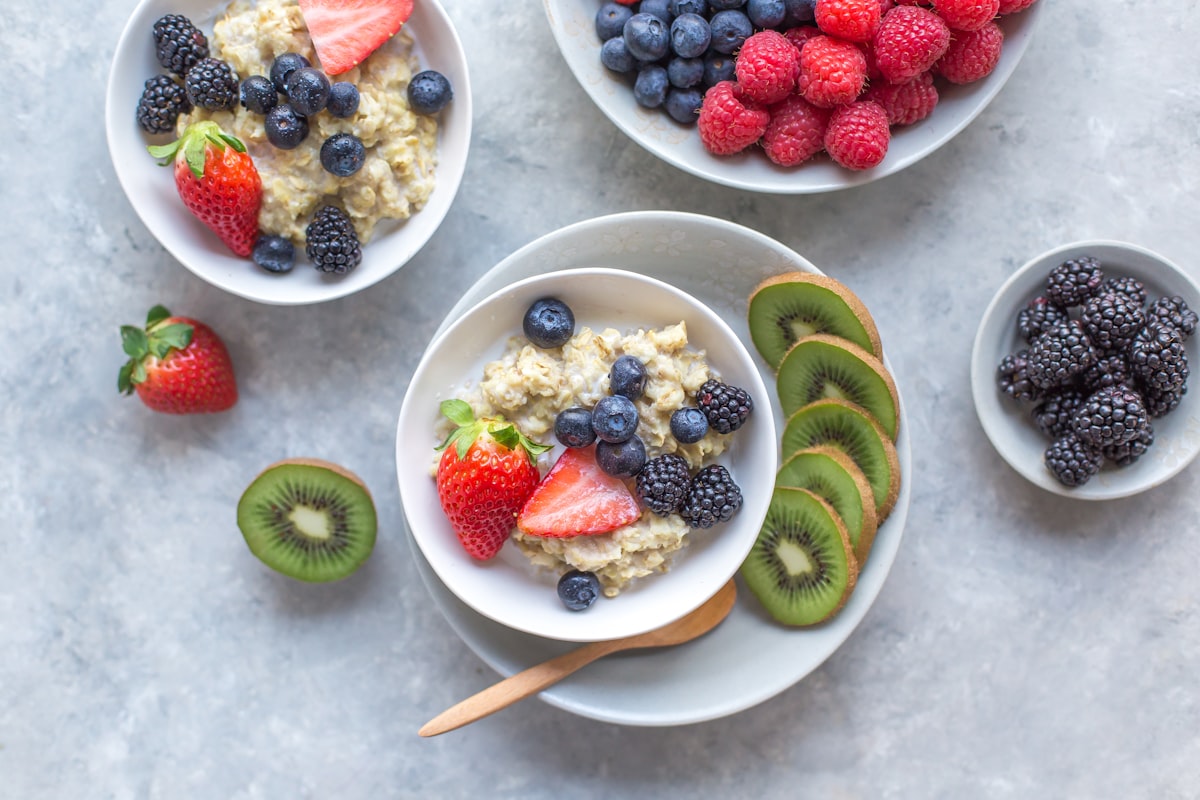
Research: Studies show 5-10 grams of soluble fiber daily can reduce LDL by 5-10%.
Best sources:
- Oats and oat bran
- Beans and lentils
- Apples and pears
- Barley
- Psyllium husk
- Brussels sprouts
Goal: At least 5-10 grams of soluble fiber daily (25-30g total fiber).
2. Increase Omega-3 Fatty Acids
Omega-3s don’t directly lower LDL but reduce triglycerides and increase HDL, improving overall heart health.
Best sources:
- Fatty fish (salmon, mackerel, sardines) – 2-3 servings weekly
- Walnuts
- Flaxseeds and chia seeds
- Fish oil supplements (if needed)
3. Replace Bad Fats with Good Fats
Eliminate trans fats: These are the worst for cholesterol—they raise LDL and lower HDL. Check labels for “partially hydrogenated oils.”
Limit saturated fats: Found in red meat, full-fat dairy, and tropical oils. Aim for less than 7% of daily calories.
Choose unsaturated fats:
- Olive oil
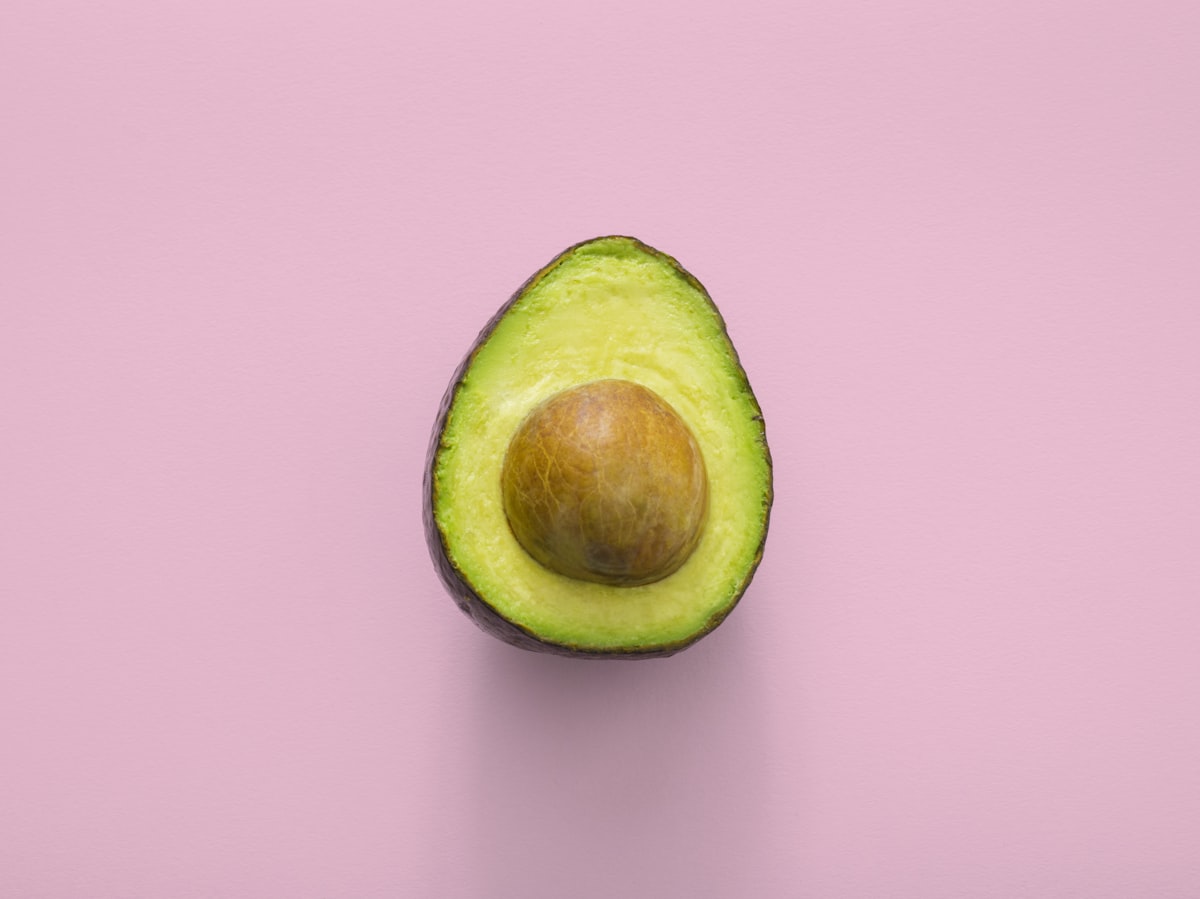
- Avocados
- Nuts and seeds
- Fatty fish
4. Add Plant Sterols and Stanols
These plant compounds structurally resemble cholesterol and block its absorption. Consuming 2 grams daily can reduce LDL by 5-15%.
Sources: Fortified foods (orange juice, margarine spreads, yogurt), or supplements.
5. Exercise Regularly 🏃
Exercise improves cholesterol by:
- Increasing HDL (“good”) cholesterol
- Making LDL particles larger and less harmful
- Lowering triglycerides
- Promoting weight loss
Recommendations:
- 150 minutes moderate-intensity aerobic exercise weekly
- Or 75 minutes vigorous exercise
- Add strength training 2x weekly
Even moderate activity like brisk walking helps significantly.
6. Lose Excess Weight
Carrying extra weight—especially around your midsection—raises LDL and lowers HDL.
Impact: Losing just 5-10% of body weight can significantly improve cholesterol numbers.
Focus on: Sustainable changes rather than crash diets. Small calorie deficits (300-500 calories) lead to lasting results.
7. Quit Smoking
Smoking lowers HDL cholesterol and damages artery walls, making them more susceptible to cholesterol buildup.
Benefits of quitting:
- HDL improves within weeks
- Heart disease risk drops by 50% within one year
- After 15 years, risk equals that of never-smokers
8. Limit Alcohol
Excessive alcohol raises triglycerides and blood pressure. If you drink:
- Women: Up to 1 drink daily
- Men: Up to 2 drinks daily
Moderate red wine may slightly raise HDL, but don’t start drinking for health benefits.
9. Eat More Nuts 🥜
Nuts are rich in unsaturated fats, fiber, and plant sterols—all cholesterol-lowering.
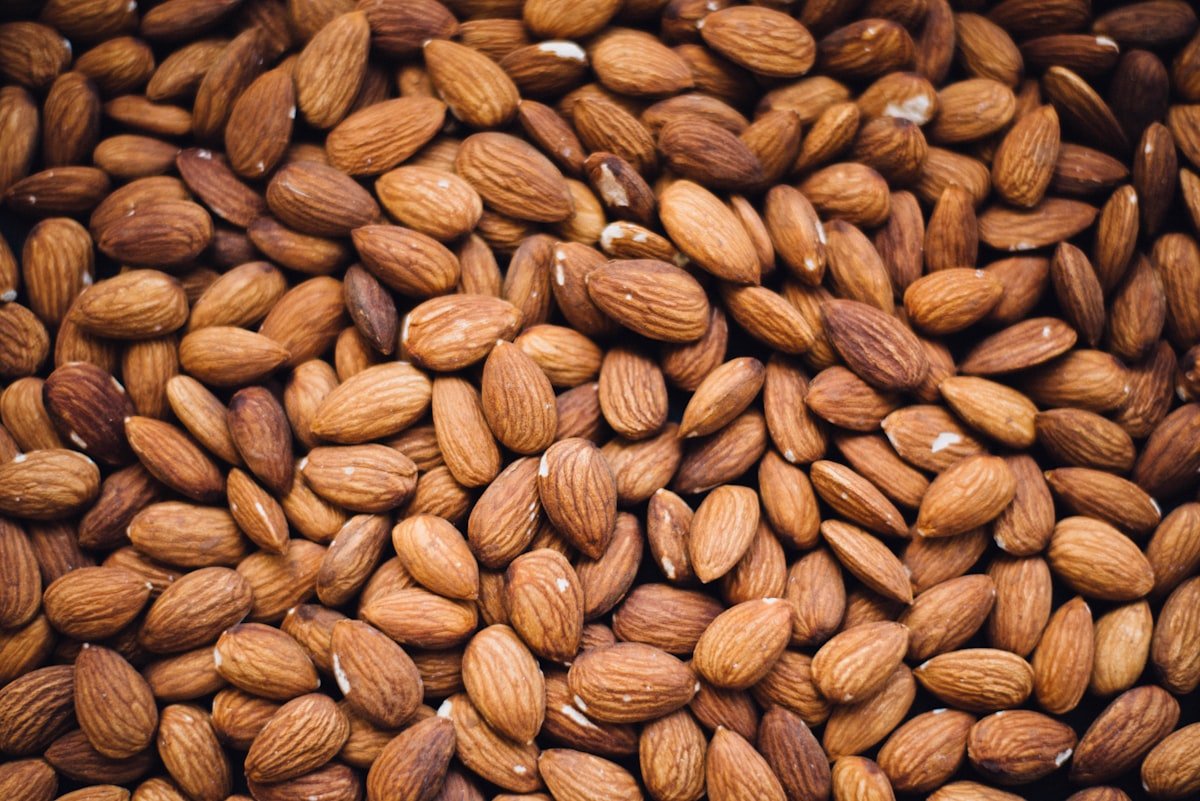
Research: A pooled analysis found eating 2.4 ounces of nuts daily reduced LDL by about 5%.
Best choices: Walnuts, almonds, pistachios, peanuts
Portion: A handful daily (about 1.5 ounces)
10. Try the Mediterranean Diet
This eating pattern consistently shows heart health benefits:
- Abundant fruits and vegetables
- Whole grains
- Olive oil as primary fat
- Fish and poultry over red meat
- Legumes and nuts
- Moderate wine with meals (optional)
11. Reduce Sugar and Refined Carbs
Excessive sugar raises triglycerides and lowers HDL. Refined carbs have similar effects.
Limit:
- Sugary beverages
- Sweets and desserts
- White bread, pasta, rice
- Processed snacks
Choose instead: Whole grains, fruits, vegetables
12. Consider Supplements
Some supplements have evidence for cholesterol reduction:
Fish oil: 2-4 grams EPA/DHA daily can lower triglycerides by 25-30%
Psyllium: 10-12 grams daily reduces LDL by 5-10%
Plant sterols: 2 grams daily can reduce LDL by 5-15%
Red yeast rice: Contains natural statins (consult doctor first)
Note: Always consult your healthcare provider before starting supplements.
Foods That Lower Cholesterol
Build your diet around these cholesterol-lowering foods:
- Oats and barley
- Beans and lentils
- Fatty fish
- Nuts (especially walnuts, almonds)
- Olive oil
- Avocados
- Soy products
- Apples, grapes, citrus
- Leafy greens
Sample Heart-Healthy Day
Breakfast: Steel-cut oatmeal with walnuts, berries, and ground flaxseed
Lunch: Large salad with chickpeas, olive oil dressing, and whole grain bread
Snack: Apple slices with almond butter
Dinner: Baked salmon with roasted vegetables and quinoa
When to See a Doctor
While lifestyle changes are powerful, some people need medication. See your doctor if:
- LDL remains high despite lifestyle changes
- You have heart disease or diabetes
- You have familial hypercholesterolemia (genetic high cholesterol)
- Your 10-year cardiovascular risk is elevated
Conclusion: Take Control of Your Cholesterol
Lowering cholesterol naturally is absolutely achievable for many people. By combining multiple strategies—diet, exercise, and lifestyle changes—you can significantly reduce your cardiovascular risk without medication.
Start today: Choose 2-3 strategies from this list and implement them this week. Have your cholesterol re-tested in 3-6 months to measure progress. 🌟
Remember: These changes also reduce risk of diabetes, obesity, and other chronic diseases. Your heart is worth the effort!
