

High blood pressure (hypertension) affects nearly half of American adults and is called the “silent killer” because it often has no symptoms while damaging your heart, arteries, and organs. The good news? You can lower blood pressure naturally through diet and lifestyle changes.
In this guide, we’ll explore 14 proven strategies to reduce your blood pressure without medication. Let’s take control of your cardiovascular health! ❤️
Understanding Blood Pressure
Blood pressure is measured in two numbers:
- Systolic (top number): Pressure when heart beats
- Diastolic (bottom number): Pressure between beats
Blood Pressure Categories
- Normal: Less than 120/80 mmHg
- Elevated: 120-129/<80 mmHg
- High Blood Pressure Stage 1: 130-139/80-89 mmHg
- High Blood Pressure Stage 2: 140+/90+ mmHg
- Hypertensive Crisis: Higher than 180/120 mmHg (seek immediate care)
14 Natural Ways to Lower Blood Pressure
1. Reduce Sodium Intake 🧂
Sodium is one of the biggest contributors to high blood pressure. Reducing intake can lower blood pressure by 5-6 mmHg.
Guidelines:
- Limit sodium to 1,500-2,300 mg daily
- Average American consumes 3,400 mg!
How to reduce:
- Read food labels carefully
- Avoid processed and packaged foods
- Cook at home more often
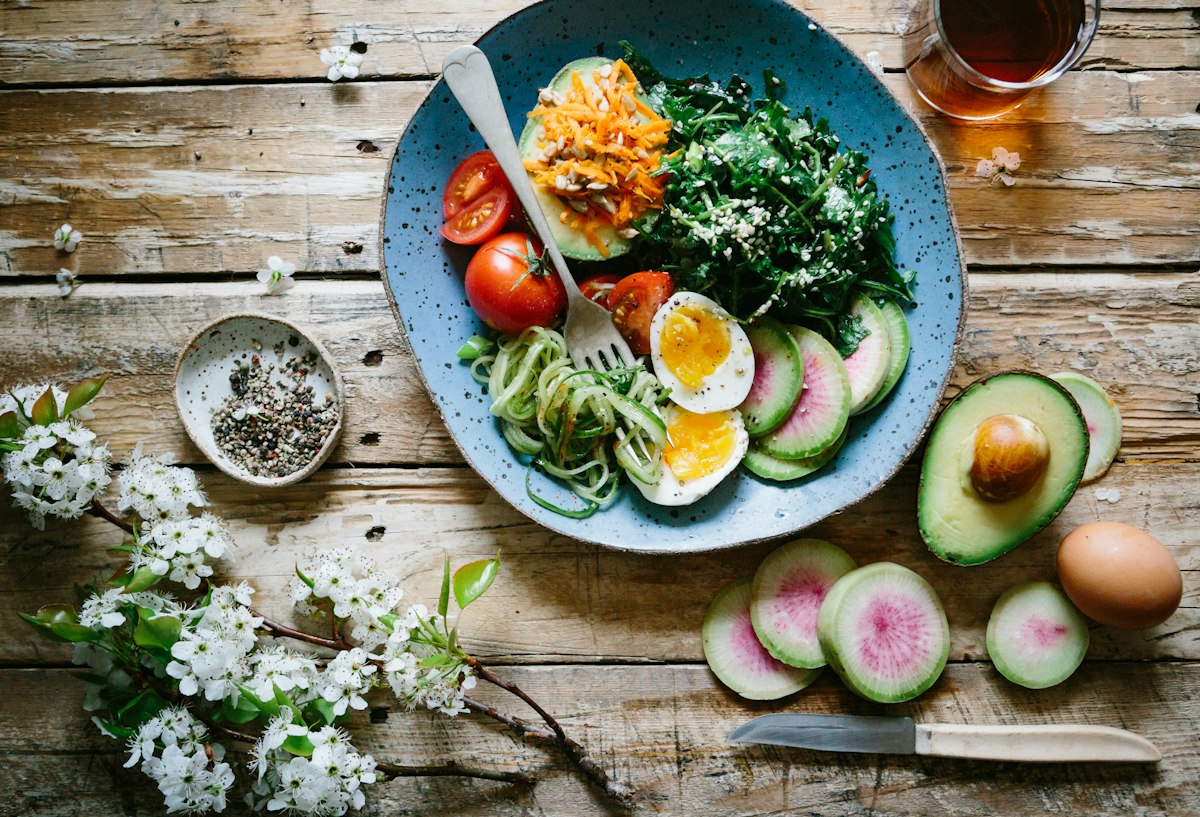
- Use herbs and spices instead of salt
- Rinse canned foods
- Choose “low sodium” products
2. Increase Potassium Intake
Potassium helps balance sodium and ease pressure on blood vessel walls. Studies show increasing potassium lowers blood pressure by 4-5 mmHg.
Potassium-rich foods:
- Bananas
- Sweet potatoes
- Spinach and leafy greens
- Avocados
- Beans and legumes
- Oranges
- Yogurt
- Salmon
Goal: 3,500-5,000 mg potassium daily
3. Follow the DASH Diet
The DASH (Dietary Approaches to Stop Hypertension) diet is specifically designed to lower blood pressure. It’s been proven to reduce blood pressure by 8-14 mmHg.
DASH diet principles:
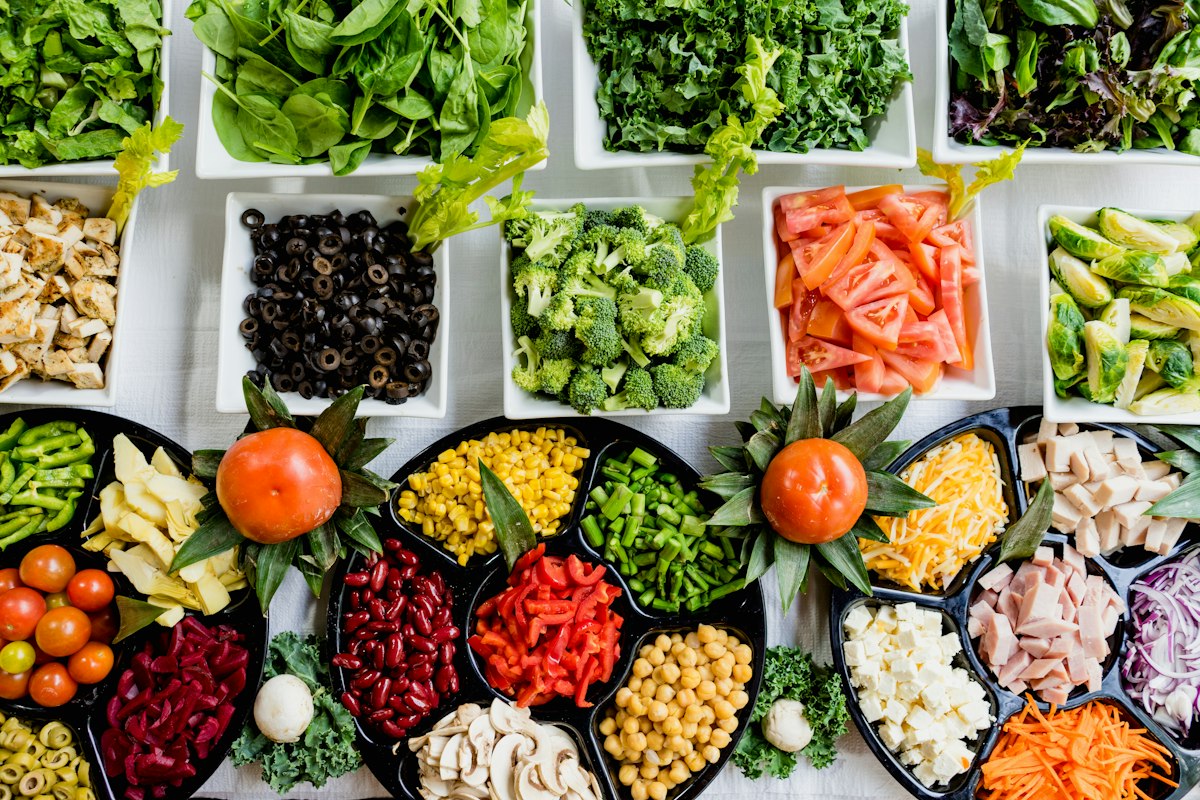
- Fruits and vegetables: 8-10 servings daily
- Whole grains: 6-8 servings daily
- Lean proteins: Fish, poultry, legumes
- Low-fat dairy: 2-3 servings daily
- Nuts and seeds: 4-5 servings weekly
- Limited red meat, sugar, and saturated fat
4. Exercise Regularly 🏃
Regular physical activity makes your heart stronger and more efficient, lowering the pressure on your arteries.
Research shows: 150 minutes of moderate exercise weekly can reduce blood pressure by 5-8 mmHg.
Best exercises:
- Brisk walking
- Swimming
- Cycling
- Jogging
- Dancing
Goal: 30 minutes most days of the week
5. Lose Excess Weight
Blood pressure often increases as weight increases. Losing even a small amount of weight can help reduce blood pressure.
Impact: You may reduce blood pressure by approximately 1 mmHg for each kilogram (2.2 pounds) of weight lost.
Also watch: Waist circumference. Men should keep waist under 40 inches, women under 35 inches.
6. Limit Alcohol
While small amounts might lower blood pressure slightly, drinking too much raises it and reduces medication effectiveness.
Guidelines:
- Women: Up to 1 drink daily
- Men: Up to 2 drinks daily
One drink = 12 oz beer, 5 oz wine, or 1.5 oz spirits
7. Quit Smoking
Each cigarette temporarily raises blood pressure. Quitting smoking reduces heart disease risk and improves overall health.
Benefits begin immediately: Blood pressure and heart rate drop within 20 minutes of your last cigarette.
8. Reduce Stress 🧘
Chronic stress contributes to high blood pressure through hormone release and unhealthy coping behaviors.

Stress-reduction techniques:
- Deep breathing exercises
- Meditation and mindfulness
- Yoga and tai chi
- Progressive muscle relaxation
- Spending time in nature
- Hobbies and enjoyable activities
9. Get Quality Sleep 😴
Poor sleep is linked to higher blood pressure. Sleep deprivation affects hormones that regulate stress and metabolism.
Guidelines:
- Aim for 7-8 hours nightly
- Maintain consistent sleep/wake times
- Create a dark, cool sleeping environment
- Treat sleep disorders like sleep apnea
10. Eat Dark Chocolate
Yes, really! Dark chocolate (70%+ cocoa) contains flavanols that can lower blood pressure.
Research: Studies show consuming dark chocolate can reduce blood pressure by 2-3 mmHg.
Portion: 1-2 small squares daily (not the whole bar!)
11. Drink Hibiscus Tea
Hibiscus tea has been shown to lower blood pressure in multiple studies. It works similarly to some blood pressure medications.
How to use: 2-3 cups daily of hibiscus tea
12. Eat Garlic
Garlic contains allicin, which has been shown to lower blood pressure by relaxing blood vessels.
Options: Fresh garlic in cooking, aged garlic extract supplements
13. Consider Supplements
Some supplements have evidence for blood pressure reduction:
- Magnesium: 300-500 mg daily may help
- Fish oil: Omega-3s support heart health
- CoQ10: May reduce systolic pressure
- Beetroot juice: Nitrates relax blood vessels
Always consult your doctor before starting supplements, especially if on medication.
14. Monitor Your Blood Pressure at Home
Home monitoring helps you:
- Track progress
- Catch changes early
- Avoid “white coat hypertension”
- Stay motivated
Invest in a quality home blood pressure monitor and check regularly.
Sample Day for Lower Blood Pressure
Breakfast: Oatmeal with banana and walnuts, green tea
Lunch: Large spinach salad with salmon, avocado, and olive oil dressing
Snack: Greek yogurt with berries
Dinner: Grilled chicken with roasted vegetables and quinoa
Evening: Hibiscus tea, dark chocolate square
Activity: 30-minute brisk walk, 10 minutes meditation
When to See a Doctor
While lifestyle changes are powerful, see your doctor if:
- Blood pressure remains high despite lifestyle changes
- You experience symptoms (severe headaches, chest pain, vision changes)
- You have diabetes, kidney disease, or other risk factors
- Your readings are consistently above 140/90
Some people need medication in addition to lifestyle changes—and that’s okay.
Conclusion: Take Control of Your Blood Pressure
High blood pressure is largely within your control. By implementing these 14 strategies consistently, many people can lower their blood pressure significantly—sometimes eliminating the need for medication.
Start today: Choose 2-3 strategies to implement this week. Monitor your blood pressure and track progress. Your heart is worth the effort! 🌟
Remember: These changes benefit your entire cardiovascular system. Lower blood pressure means lower risk of heart attack, stroke, kidney disease, and more.
