

Good digestion is the foundation of good health. Your digestive system breaks down food into nutrients, absorbs them, and eliminates waste. When digestion is off, you feel it—bloating, gas, constipation, heartburn, and fatigue are just a few symptoms of poor digestive health.
In this guide, we’ll explore 16 proven ways to improve digestion naturally. Let’s optimize your gut health! 🌱
Signs of Poor Digestion
You may have digestive issues if you regularly experience:
- Bloating after meals
- Gas and flatulence
- Constipation or diarrhea
- Heartburn or acid reflux
- Abdominal pain or cramping
- Feeling overly full after small meals
- Fatigue after eating
- Undigested food in stool
16 Ways to Improve Digestion Naturally
1. Eat Whole, Unprocessed Foods 🥗
Your digestive system evolved to process whole foods, not highly processed ones. Processed foods contain additives, preservatives, and artificial ingredients that can disrupt digestion.
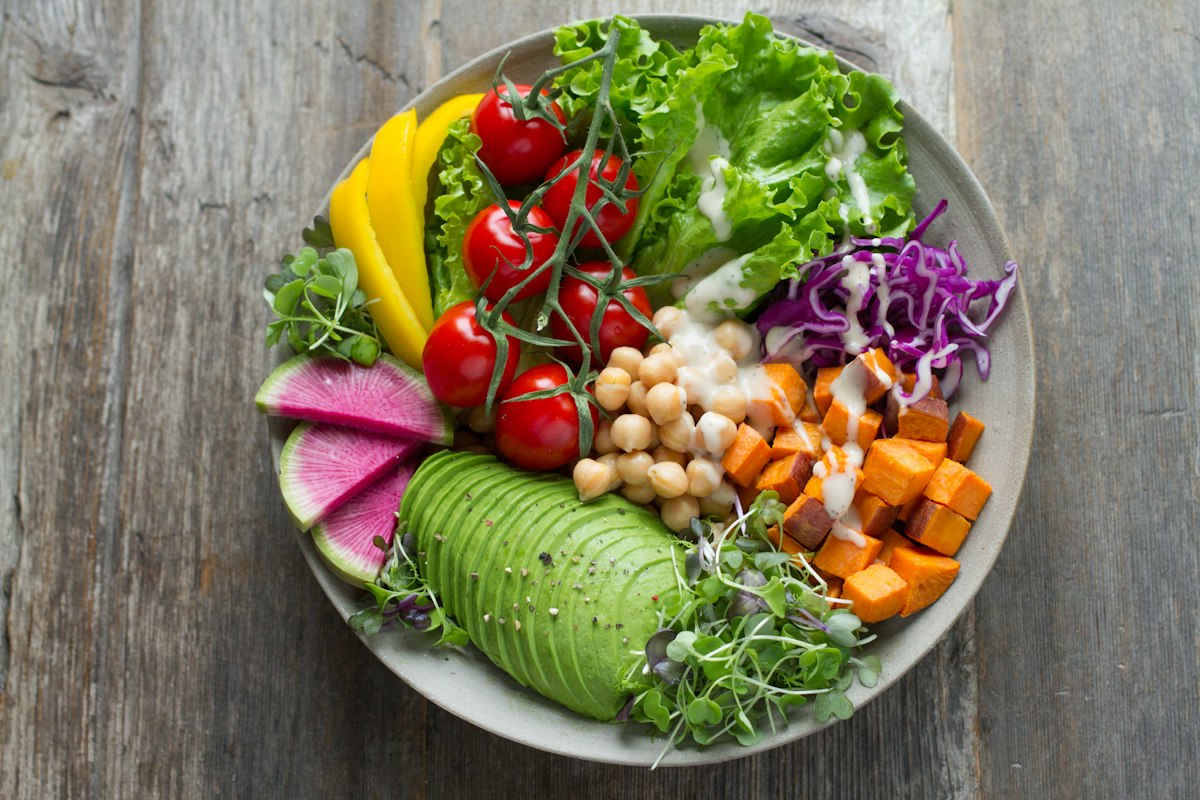
Focus on:
- Fruits and vegetables
- Whole grains
- Lean proteins
- Legumes
- Nuts and seeds
2. Increase Fiber Intake
Fiber is essential for healthy digestion. It adds bulk to stool, feeds beneficial gut bacteria, and promotes regular bowel movements.
Types of fiber:
- Soluble fiber: Dissolves in water, feeds gut bacteria (oats, beans, apples, citrus)
- Insoluble fiber: Adds bulk, promotes movement (whole grains, vegetables, wheat bran)
Goal: 25-35 grams daily. Increase gradually to avoid gas and bloating.
3. Stay Well Hydrated 💧
Water is essential for digestion—it helps dissolve nutrients and softens stool, preventing constipation.
Tips:
- Drink 8-10 glasses of water daily
- Drink water between meals rather than with meals (for some people)
- Herbal teas count toward hydration
- Eat water-rich foods (cucumber, watermelon, celery)
4. Eat Probiotic-Rich Foods
Probiotics are beneficial bacteria that support gut health. They help digest food, produce vitamins, and protect against harmful bacteria.
Probiotic foods:
- Yogurt (with live cultures)
- Kefir
- Sauerkraut
- Kimchi
- Kombucha
- Miso
- Tempeh
5. Include Prebiotic Foods
Prebiotics are fibers that feed beneficial gut bacteria. Combining prebiotics with probiotics optimizes gut health.
Prebiotic foods:
- Garlic
- Onions
- Leeks
- Asparagus
- Bananas
- Oats
- Apples
6. Chew Your Food Thoroughly 🦷
Digestion begins in the mouth. Chewing breaks food into smaller pieces and mixes it with saliva, which contains digestive enzymes.
Guidelines:
- Chew each bite 20-30 times
- Put down your fork between bites
- Don’t rush meals
- Aim for 20+ minutes per meal
Thorough chewing reduces bloating and improves nutrient absorption.
7. Eat Mindfully
Mindful eating improves digestion by:
- Activating the parasympathetic nervous system (“rest and digest”)
- Increasing awareness of hunger and fullness cues
- Reducing overeating
- Decreasing stress-related digestive issues
Practice: Eat without screens, focus on food’s taste and texture, notice when you’re satisfied.
8. Manage Stress
Stress directly impacts digestion. The gut-brain connection means anxiety and stress can cause:
- Reduced digestive enzyme production
- Decreased blood flow to digestive organs
- Altered gut bacteria
- Increased intestinal permeability

Stress-reduction techniques: Deep breathing, meditation, yoga, exercise, adequate sleep.
9. Exercise Regularly 🏃
Physical activity promotes digestion by:
- Stimulating intestinal contractions
- Reducing constipation
- Decreasing bloating
- Supporting healthy gut bacteria diversity
Best practices: Walk after meals, aim for 30 minutes daily, try yoga poses that aid digestion.
10. Don’t Eat Late at Night
Eating close to bedtime can cause:
- Heartburn (lying down after eating)
- Poor digestion (body focuses on sleep, not digestion)
- Weight gain
- Disrupted sleep
Guideline: Finish eating 2-3 hours before bed.
11. Identify Food Intolerances
Food intolerances can cause significant digestive distress. Common culprits:
- Lactose: Found in dairy products
- Gluten: Found in wheat, barley, rye
- FODMAPs: Certain carbohydrates in many foods
- Fructose: Found in fruits and honey
Finding triggers: Try an elimination diet or food diary. Consider testing with a healthcare provider.
12. Try Digestive Enzymes
Digestive enzyme supplements can help if your body doesn’t produce enough naturally. They may benefit:
- People over 50 (enzyme production decreases with age)
- Those with pancreatic insufficiency
- People with lactose intolerance (lactase enzyme)
Types: Amylase (carbs), protease (protein), lipase (fats), lactase (dairy)
13. Limit Trigger Foods
Common foods that can disrupt digestion:
- Fried and fatty foods: Slow digestion, can cause heartburn
- Spicy foods: May irritate digestive tract
- Artificial sweeteners: Can cause gas and bloating
- Carbonated drinks: Introduce gas into digestive system
- Alcohol: Irritates gut lining, reduces enzyme production
- Caffeine: In excess, can irritate gut
14. Add Ginger to Your Diet
Ginger is a digestive powerhouse that:
- Stimulates digestive enzymes
- Speeds stomach emptying
- Reduces nausea
- Decreases bloating
How to use: Fresh ginger in cooking, ginger tea, or ginger supplements.
15. Consider Peppermint
Peppermint relaxes digestive tract muscles and may relieve:
- Bloating
- Gas
- Indigestion
- IBS symptoms
Options: Peppermint tea, enteric-coated peppermint oil capsules
16. Get Enough Sleep 😴
Sleep deprivation negatively affects gut health by:
- Altering gut bacteria composition
- Increasing inflammation
- Affecting hormone balance (including hunger hormones)
- Reducing digestive function
Goal: 7-9 hours quality sleep nightly.
Foods for Better Digestion
Build your diet around these digestion-friendly foods:
- Fiber-rich: Whole grains, legumes, vegetables, fruits
- Fermented: Yogurt, kefir, sauerkraut, kimchi
- Soothing: Ginger, peppermint, fennel, papaya
- Lean proteins: Chicken, fish, eggs
- Healthy fats: Olive oil, avocado (in moderation)
Sample Digestion-Friendly Day
Morning: Warm water with lemon, then probiotic-rich yogurt with berries and oats
Lunch: Large salad with lean protein, olive oil dressing, fermented vegetables
Snack: Apple with almond butter
Dinner: Grilled salmon with roasted vegetables and quinoa, ginger tea
Evening: Stop eating 2-3 hours before bed
When to See a Doctor
Consult a healthcare provider if you experience:
- Persistent digestive symptoms despite lifestyle changes
- Blood in stool
- Unexplained weight loss
- Severe abdominal pain
- Difficulty swallowing
- Symptoms that worsen over time
Conclusion: Heal Your Gut Naturally
Your digestive health profoundly impacts your overall well-being—from energy levels to mood to immune function. By implementing these 16 strategies, you can significantly improve digestion and enjoy better health.
Start today: Choose 2-3 tips to implement this week. Add more as they become habits. Your gut will thank you! 🌟
Remember: Digestive issues can have many causes. If symptoms persist, seek professional evaluation to rule out underlying conditions.
