


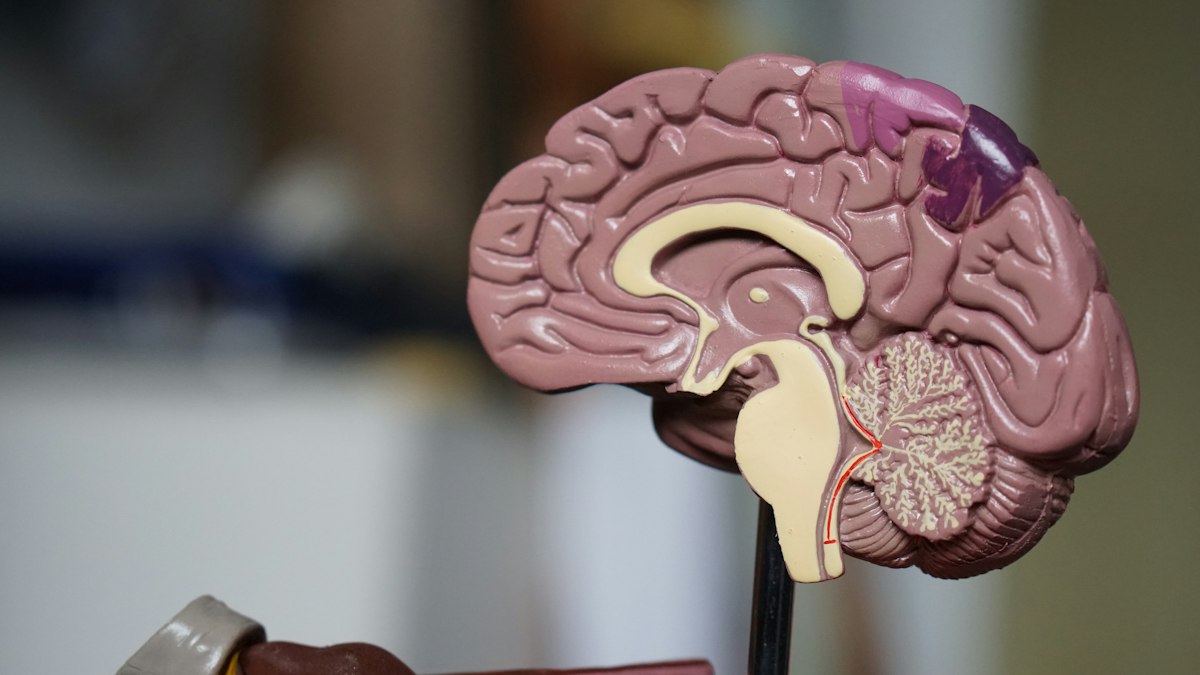
High blood pressure affects nearly half of American adults and is a major risk factor for heart disease and stroke. While medication is often necessary, diet plays a crucial role in managing blood pressure. Knowing which foods to avoid with high blood pressure is just as important as knowing what to eat.
In this guide, we’ll identify 15 foods that can raise blood pressure and provide healthier alternatives. Control your blood pressure through smarter food choices! ❤️
How Food Affects Blood Pressure
Several dietary factors influence blood pressure:
- Sodium: Causes water retention, increasing blood volume and pressure
- Saturated fats: Contribute to arterial plaque buildup
- Sugar: Promotes weight gain and inflammation
- Alcohol: Directly raises blood pressure
The DASH diet (Dietary Approaches to Stop Hypertension) can reduce blood pressure by 8-14 mmHg—comparable to medication for some people.
15 Foods to Avoid or Limit
High-Sodium Foods 🧂
1. Table Salt and Salty Seasonings
The most obvious culprit. One teaspoon of salt contains 2,300mg sodium—the entire daily limit.
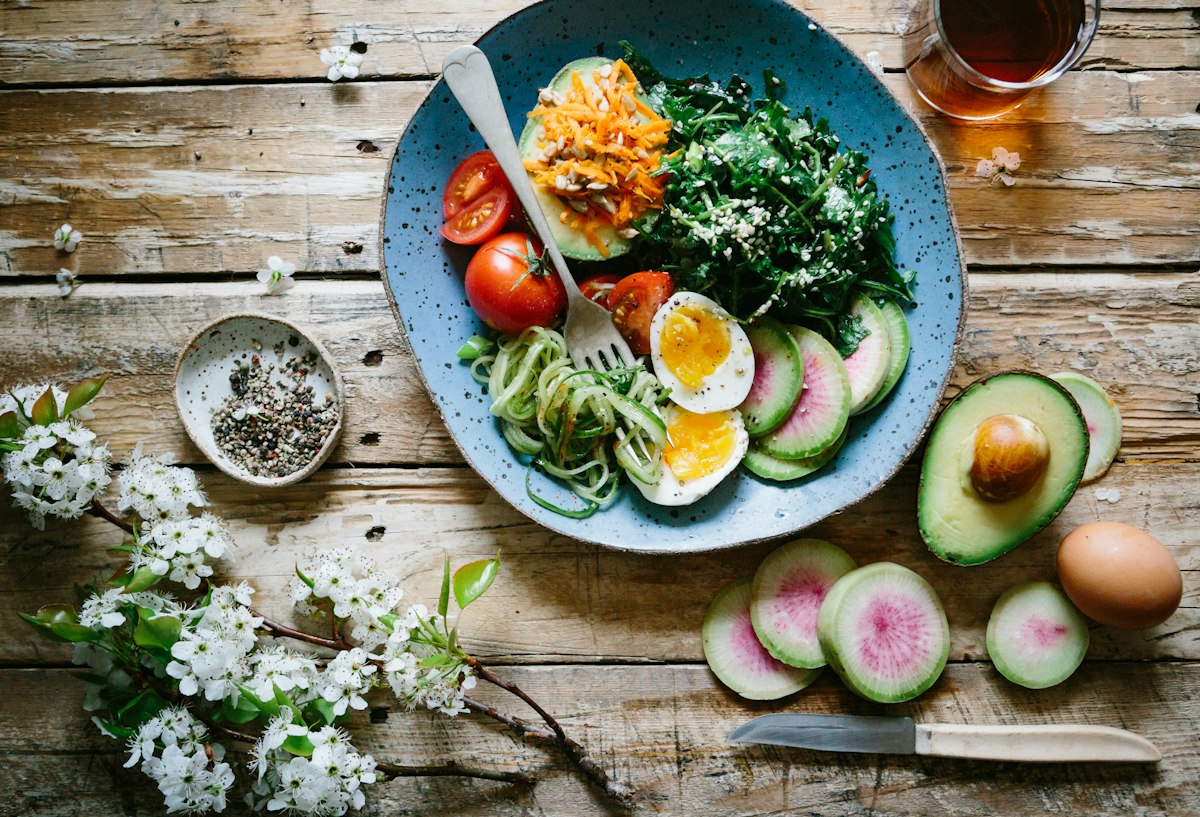
Healthier alternatives:
- Herbs and spices (garlic, basil, oregano, cumin)
- Lemon juice and vinegar
- Salt-free seasoning blends
2. Processed and Deli Meats
Bacon, ham, sausage, hot dogs, and deli meats are loaded with sodium and preservatives. A single serving can contain 500-1,500mg sodium.
Healthier alternatives:
- Fresh chicken, turkey, or fish
- Low-sodium turkey breast
- Homemade lean meat preparations
3. Canned Soups and Vegetables
Canned foods are notorious for high sodium content—some soups contain over 800mg per serving.
Healthier alternatives:
- No-salt-added or low-sodium canned options
- Homemade soups
- Fresh or frozen vegetables
- Rinse canned vegetables to reduce sodium
4. Pickles and Pickled Foods
The pickling process uses salt, making these foods high in sodium. One large pickle can contain 1,000mg or more.
Healthier alternatives:
- Fresh cucumbers with herbs
- Low-sodium pickles (in moderation)
5. Frozen Dinners and Convenience Meals
Even “healthy” frozen meals often contain 700-1,800mg sodium per serving to enhance flavor and preserve food.
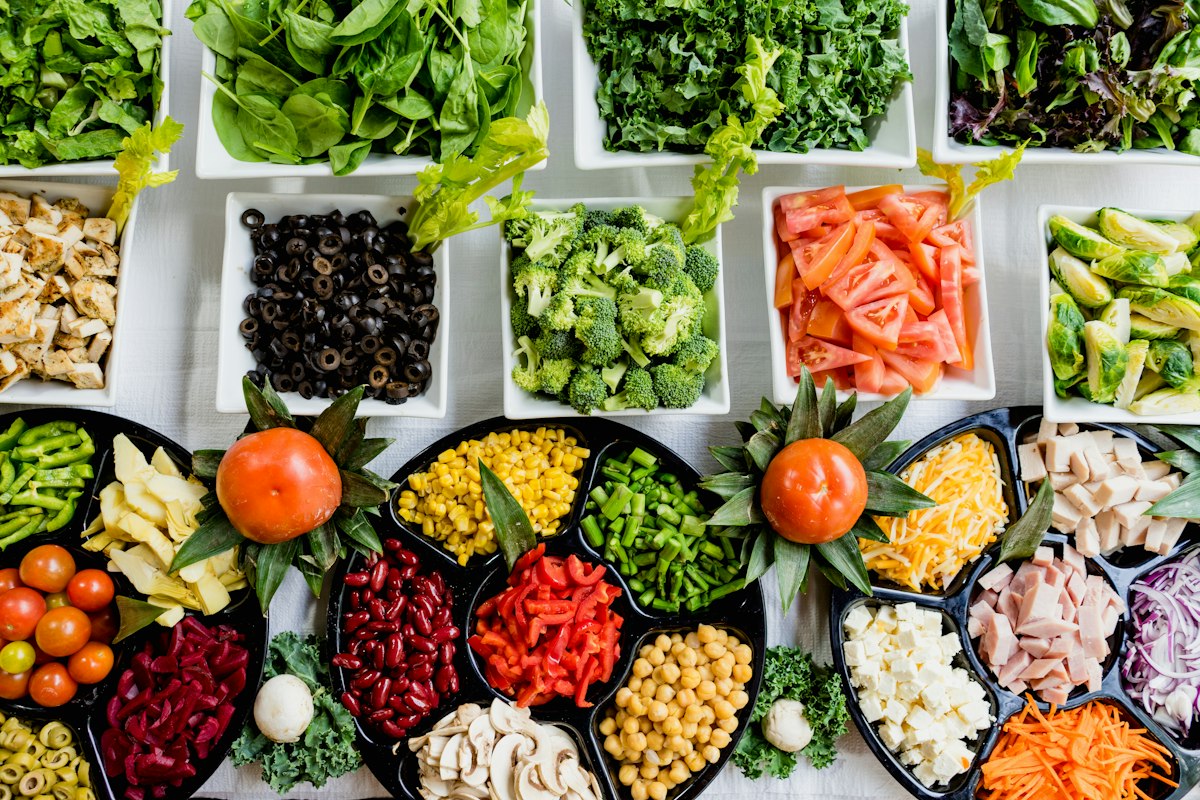
Healthier alternatives:
- Meal prep homemade portions to freeze
- Choose frozen meals with less than 600mg sodium
6. Sauces and Condiments
Soy sauce, teriyaki sauce, ketchup, barbecue sauce, and salad dressings are hidden sodium sources.
- Soy sauce: 1,000mg per tablespoon
- Ketchup: 150mg per tablespoon
Healthier alternatives:
- Low-sodium soy sauce
- Homemade vinaigrettes
- Fresh salsa
- Herbs and spices for flavor
7. Bread and Baked Goods
Bread may not taste salty, but it’s one of the top sodium sources in American diets due to quantity consumed. One slice can contain 100-230mg.
Healthier alternatives:
- Low-sodium bread options
- Homemade bread with less salt
- Whole grain options (often lower sodium)
8. Pizza 🍕
Between the crust, sauce, cheese, and toppings, one slice of pizza can contain 600-1,500mg sodium.
Healthier alternatives:
- Homemade pizza with fresh ingredients
- Thin crust with vegetable toppings
- Limit to occasional treat, single slice
9. Cheese
Especially processed cheeses, feta, and blue cheese. One ounce can contain 300-450mg sodium.
Lower-sodium options:
- Swiss cheese (55mg per ounce)
- Fresh mozzarella
- Goat cheese
- Cream cheese (small amounts)
Other Problem Foods
10. Sugar and Sugary Drinks 🥤
Excess sugar contributes to weight gain, which raises blood pressure. Sugary drinks are particularly problematic.
Healthier alternatives:
- Water (plain or infused)
- Unsweetened tea
- Sparkling water
- Black coffee
11. Alcohol
Drinking more than moderate amounts raises blood pressure and can make medications less effective.
Guidelines:
- Women: Up to 1 drink daily
- Men: Up to 2 drinks daily
- Less is better for blood pressure
12. Red Meat
High in saturated fat, which contributes to arterial plaque. Processed red meat is doubly problematic (sodium + saturated fat).
Healthier alternatives:
- Lean poultry
- Fish (especially fatty fish)
- Plant-based proteins
- Limit red meat to a few times monthly
13. Fried Foods
High in unhealthy fats, calories, and often sodium. Restaurant fried foods are especially problematic.
Healthier alternatives:
- Baked, grilled, or roasted preparations
- Air-fried versions
- Fresh vegetables and lean proteins
14. Caffeine (Excessive)
While moderate caffeine is generally fine, excessive intake can temporarily spike blood pressure.
Guidelines:
- Limit to 2-3 cups of coffee daily
- Avoid if you’re caffeine-sensitive
- Monitor your personal response
15. Fast Food
Almost all fast food is loaded with sodium, saturated fat, and calories—the triple threat for blood pressure.
Healthier alternatives:
- Prepare meals at home
- If eating out, choose grilled options
- Ask for sauces on the side
- Check nutrition information before ordering
Daily Sodium Limits
Ideal: 1,500mg sodium daily (recommended for hypertension)
Maximum: 2,300mg sodium daily
Average American intake: 3,400mg daily (way too much!)
Reading Food Labels
Become a label detective:
- Check serving size (often unrealistically small)
- Look for sodium per serving
- “Low sodium” = 140mg or less per serving
- “Reduced sodium” = 25% less (may still be high)
- “No salt added” = best option
What to Eat Instead
Focus on blood pressure-lowering foods:
- Fruits and vegetables: Rich in potassium
- Whole grains: Oats, brown rice, quinoa
- Lean proteins: Fish, poultry, legumes
- Nuts and seeds: In moderation
- Low-fat dairy: Good calcium source
- Herbs and spices: Flavor without sodium
Conclusion: Control Your Blood Pressure Through Diet
Knowing which foods to avoid is half the battle. By limiting these 15 problematic foods and replacing them with healthier alternatives, you can significantly impact your blood pressure—sometimes as much as medication.
Start today: Audit your pantry and refrigerator. Identify the biggest sodium offenders and find healthier substitutes. Your heart will thank you! ❤️
Remember: Dietary changes work best alongside other lifestyle modifications—exercise, stress management, and adequate sleep. And always follow your doctor’s recommendations regarding medication.
