

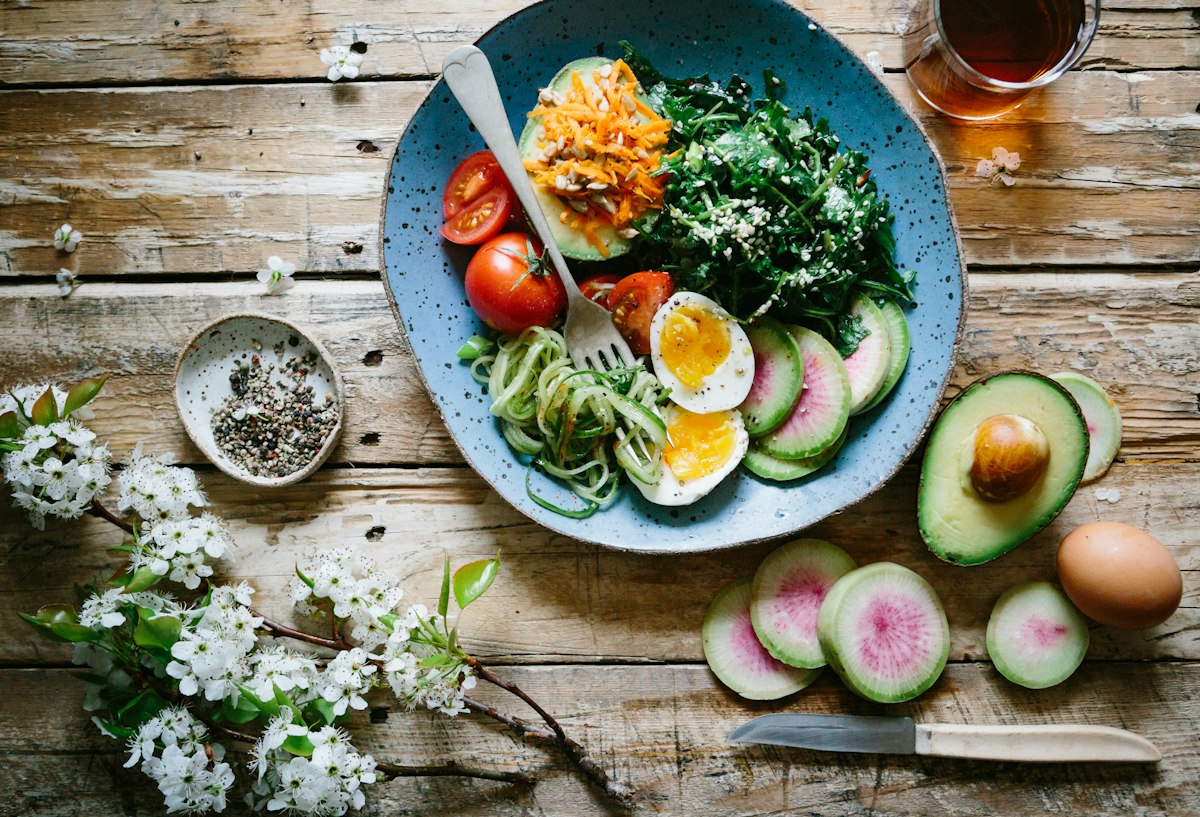
Your immune system is your body’s defense against infections, viruses, and disease. While no single food can prevent illness, a nutrient-rich diet provides the building blocks your immune system needs to function optimally.
In this guide, we’ll explore 20 science-backed foods that boost your immune system and help you stay healthy year-round. Let’s strengthen your body’s defenses naturally! 🛡️
How Your Immune System Works
Your immune system is complex, involving:
- White blood cells: Identify and attack pathogens
- Antibodies: Recognize specific invaders
- Lymphatic system: Transports immune cells
- Bone marrow: Produces blood cells
- Thymus and spleen: Filter and train immune cells
Each component requires specific nutrients to function. Deficiencies in key vitamins and minerals can weaken immune response significantly.
20 Immune-Boosting Foods
Citrus Fruits 🍊
1. Oranges
High in vitamin C, which increases white blood cell production. One medium orange provides over 100% of daily vitamin C needs.
2. Grapefruits
Rich in vitamin C and antioxidants. Also contains lycopene and beta-carotene.
3. Lemons and Limes
Versatile sources of vitamin C. Add to water, salads, and meals for an immunity boost.
Vegetables
4. Red Bell Peppers
Contain nearly 3x more vitamin C than oranges! Also rich in beta-carotene for skin and eye health.
5. Broccoli
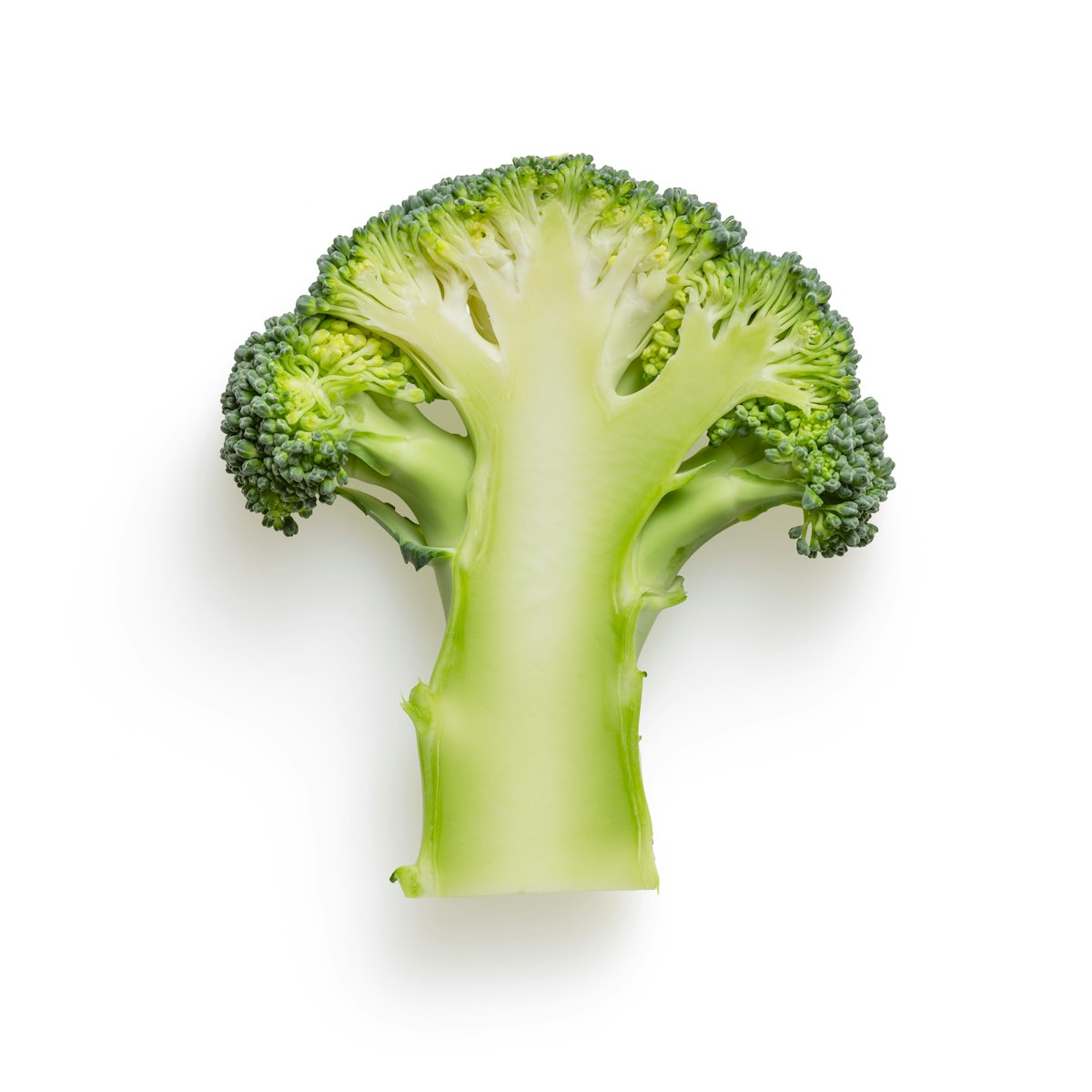
Supercharged with vitamins A, C, E, plus fiber and antioxidants. One of the healthiest vegetables you can eat. Steam lightly to preserve nutrients.
6. Spinach
Packed with vitamin C, antioxidants, and beta-carotene. Contains numerous antioxidants and beta-carotene that increase infection-fighting ability.
7. Garlic
Contains allicin, a compound with powerful immune-boosting properties. Studies show garlic reduces cold severity and duration. Best consumed raw or lightly cooked.
8. Ginger
Anti-inflammatory and antioxidant properties. May help decrease chronic inflammation and has antimicrobial effects. Add to stir-fries, teas, and smoothies.
Protein Sources
9. Chicken and Turkey
High in vitamin B6—essential for new red blood cell formation and chemical reactions in the immune system. Chicken soup isn’t just comfort food; it genuinely helps during illness.
10. Shellfish
Certain shellfish are packed with zinc, critical for immune cell function. Options include:
- Oysters (highest zinc content)
- Crab
- Lobster
- Mussels
11. Salmon and Fatty Fish
Rich in omega-3 fatty acids and vitamin D. Both nutrients support immune function and reduce inflammation.
Immune-Boosting Fruits
12. Papaya
One papaya contains over 200% daily vitamin C. Also has papain, an enzyme with anti-inflammatory effects.
13. Kiwi
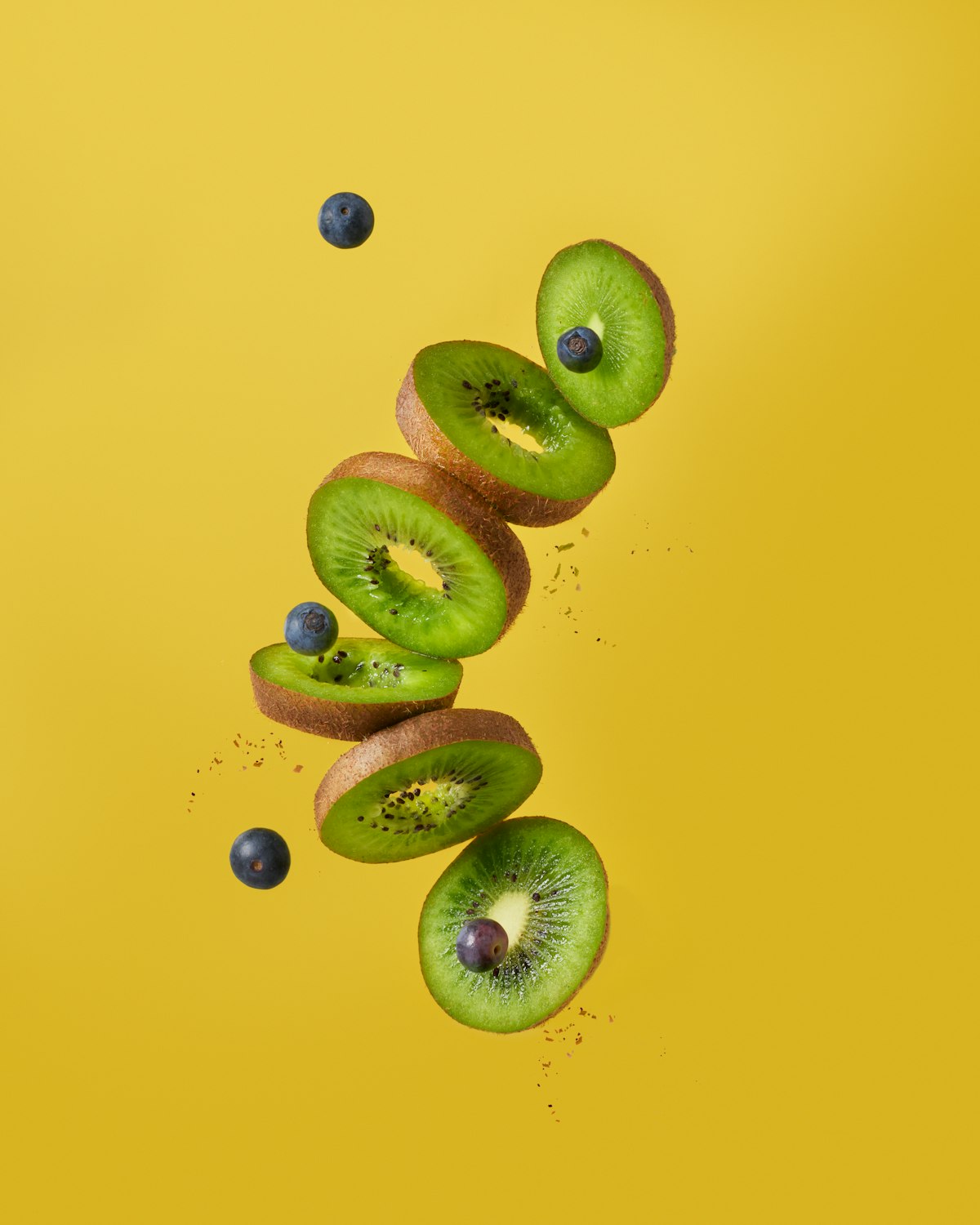
Packed with vitamin C, vitamin K, folate, and potassium. Kiwis naturally support healthy white blood cell function.
14. Berries
Blueberries, strawberries, and elderberries are rich in antioxidants. Elderberry specifically has shown antiviral properties in research.
Other Powerhouse Foods
15. Yogurt (with Live Cultures)
Probiotics support gut health, where 70% of immune cells reside. Look for “live and active cultures” on the label. Greek yogurt also provides vitamin D.
16. Almonds
Excellent source of vitamin E, a powerful antioxidant key to healthy immune function. Half a cup provides nearly 100% of daily vitamin E needs.
17. Sunflower Seeds
High in vitamin E, phosphorus, magnesium, and B6. A quarter cup provides half your daily vitamin E requirement.
18. Turmeric
Contains curcumin with powerful anti-inflammatory and antioxidant properties. Has been used for centuries in Ayurvedic medicine. Combine with black pepper for better absorption.
19. Green Tea
Rich in EGCG, a powerful antioxidant that enhances immune function. Also contains L-theanine, which may help produce germ-fighting compounds in T-cells.
20. Dark Chocolate
Contains theobromine, an antioxidant that protects cells from free radicals. Choose 70%+ cocoa and enjoy in moderation.
Key Nutrients for Immunity
These nutrients are especially important for immune function:
- Vitamin C: Increases white blood cell production
- Vitamin D: Enhances pathogen-fighting ability
- Vitamin E: Powerful antioxidant
- Vitamin A: Maintains mucosal barriers
- Zinc: Essential for immune cell development
- Selenium: Supports immune cell function
- Iron: Helps immune cells proliferate
- Probiotics: Support gut immunity
Sample Immune-Boosting Day
Breakfast: Greek yogurt parfait with berries, almonds, and a drizzle of honey; green tea
Lunch: Spinach salad with grilled chicken, bell peppers, sunflower seeds, and citrus vinaigrette
Snack: Orange slices and a handful of almonds
Dinner: Ginger-turmeric salmon with roasted broccoli and garlic
Evening: Golden milk (turmeric latte)
Lifestyle Habits That Support Immunity
Diet alone isn’t enough. Support your immune system with:
- Quality sleep: 7-9 hours nightly (sleep deprivation weakens immunity)
- Regular exercise: Moderate exercise boosts immune function
- Stress management: Chronic stress suppresses immunity
- Hydration: Water supports all body functions
- Hand hygiene: First line of defense against pathogens
- Limited alcohol: Excessive drinking impairs immune response
Conclusion: Build Your Immune Defense
While no food can guarantee you won’t get sick, consistently eating these immune-boosting foods provides your body with the nutrients it needs to fight off invaders and recover quickly when illness strikes.
Start today: Add 2-3 new immune-boosting foods to your weekly diet. Over time, build a colorful, varied diet rich in these protective nutrients. 🌟
Remember: Supplements can help fill gaps, but whole foods provide the best nutrition. Eat the rainbow for optimal immunity!
