


Feeling constantly tired despite getting enough sleep? You’re not alone. Fatigue affects millions of people, and nutrient deficiencies are often a hidden culprit. The best vitamins for energy support your body’s natural energy production at the cellular level.
In this guide, we’ll explore 10 essential vitamins and minerals that fight fatigue, where to find them, and whether supplementation might help you. Let’s boost your energy naturally! ⚡
How Your Body Produces Energy
Your cells convert food into energy (ATP) through complex metabolic processes. These processes require specific vitamins and minerals as cofactors—without them, energy production stalls.
Key energy pathways include:
- Glycolysis: Breaking down glucose
- Krebs cycle: Generating energy intermediates
- Electron transport chain: Producing ATP
Each pathway requires specific nutrients to function optimally.
10 Best Vitamins and Minerals for Energy
1. Vitamin B12 🔴
Vitamin B12 is crucial for energy production, nerve function, and red blood cell formation. Deficiency is surprisingly common, especially in:
- Vegetarians and vegans (B12 is primarily in animal foods)
- Adults over 50 (absorption decreases with age)
- People with digestive disorders

Symptoms of deficiency: Fatigue, weakness, cognitive difficulties, numbness in extremities
Food sources: Beef, liver, fish, eggs, dairy, fortified foods
Daily need: 2.4 mcg (higher amounts safe, as excess is excreted)
2. Iron
Iron is essential for hemoglobin production—the protein in red blood cells that carries oxygen. Without adequate iron, your tissues don’t receive enough oxygen, causing fatigue.
At-risk groups:
- Menstruating women
- Pregnant women
- Vegetarians/vegans
- Athletes
- People with digestive disorders
Food sources: Red meat, poultry, fish, beans, spinach, fortified cereals
Tip: Pair iron-rich foods with vitamin C to enhance absorption.
3. Vitamin D ☀️
The “sunshine vitamin” affects energy levels, mood, and immune function. Up to 42% of American adults are deficient, especially those who:
- Live in northern latitudes
- Spend most time indoors
- Have darker skin
- Are overweight or obese
Symptoms of deficiency: Fatigue, muscle weakness, bone pain, depression
Food sources: Fatty fish, egg yolks, fortified foods
Main source: Sunlight exposure (10-30 minutes midday, depending on skin tone)
4. B-Complex Vitamins
The eight B vitamins work together in energy metabolism:
- B1 (Thiamin): Converts nutrients to energy
- B2 (Riboflavin): Energy production from fats and carbs
- B3 (Niacin): DNA repair, energy metabolism
- B5 (Pantothenic acid): CoA production for energy
- B6 (Pyridoxine): Amino acid metabolism, red blood cell formation
- B7 (Biotin): Fat and carbohydrate metabolism
- B9 (Folate): Cell division, red blood cell formation
- B12: Nerve function, red blood cell formation

Food sources: Whole grains, meat, eggs, legumes, leafy greens, nuts
5. Magnesium
Magnesium is involved in over 300 enzymatic reactions, including energy production. An estimated 50% of Americans don’t get enough.
Role in energy:
- Converts food to energy
- Required for ATP activation
- Supports muscle and nerve function
- Regulates sleep (poor sleep = low energy)
Food sources: Dark chocolate, avocados, nuts, legumes, whole grains, leafy greens
Daily need: 400-420 mg (men), 310-320 mg (women)
6. CoQ10 (Coenzyme Q10)
CoQ10 is a powerful antioxidant that plays a critical role in cellular energy production within mitochondria—your cells’ “power plants.”
Who may benefit from supplementation:
- Adults over 40 (production decreases with age)
- Those taking statin medications (statins deplete CoQ10)
- People with heart conditions
- Those with chronic fatigue
Food sources: Organ meats, beef, sardines, mackerel, peanuts, spinach
7. Vitamin C
While known for immune support, vitamin C also plays a role in energy:
- Helps synthesize carnitine (transports fatty acids for energy)
- Enhances iron absorption
- Reduces oxidative stress that contributes to fatigue
- Supports adrenal function

Food sources: Citrus fruits, berries, peppers, broccoli, kiwi
8. Ashwagandha (Adaptogen)
While technically an herb, ashwagandha deserves mention for its evidence-based energy benefits. It’s an adaptogen—helping your body manage stress.
Research findings:
- Reduced fatigue in multiple clinical trials
- Lowered cortisol levels
- Improved physical performance and recovery
- Enhanced mental energy and focus
9. Creatine
Creatine is one of the most researched supplements for energy and performance. It provides quick energy for high-intensity activities and may help with mental fatigue.
Benefits:
- Increases ATP availability
- Improves strength and power
- May enhance cognitive function during stress
Food sources: Red meat, fish
Note: Vegetarians often have lower creatine stores and may benefit more from supplementation.
10. Rhodiola Rosea
Another adaptogen, Rhodiola helps combat fatigue and improve mental performance, especially during stressful periods.
Research shows:
- Reduced mental fatigue in physicians during night shifts
- Improved symptoms of burnout
- Enhanced physical performance
Should You Take Energy Supplements?
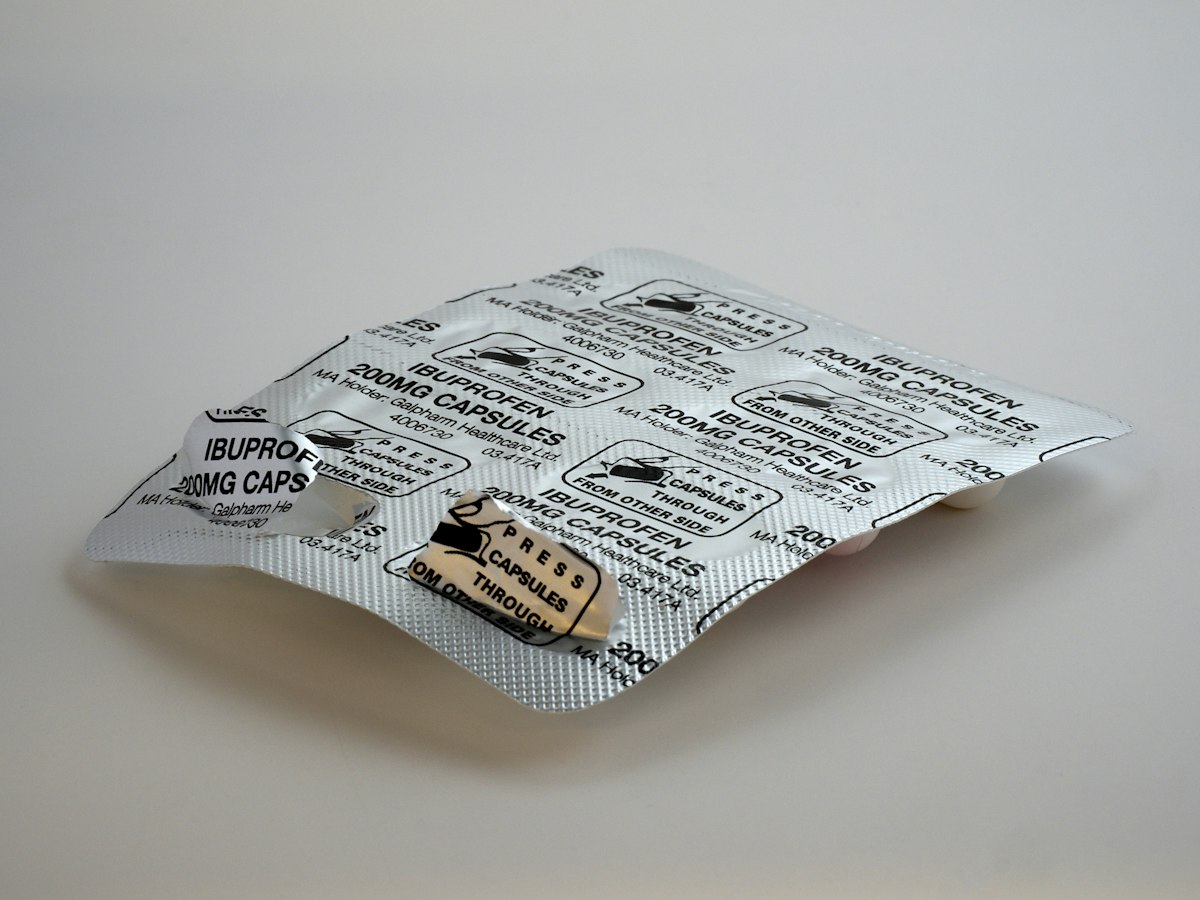
Consider supplementation if:
- Blood tests reveal deficiencies
- Your diet is restrictive (vegetarian, vegan)
- You’re over 50 (B12 absorption decreases)
- You have a condition affecting nutrient absorption
- You’re pregnant or planning pregnancy
Always prioritize food first. Supplements work best alongside a nutrient-rich diet, not as replacements.
Foods for Natural Energy
Build your diet around these energy-boosting foods:
- Fatty fish: B12, vitamin D, omega-3s
- Eggs: B vitamins, protein, vitamin D
- Leafy greens: Iron, magnesium, folate
- Nuts and seeds: Magnesium, healthy fats, protein
- Whole grains: B vitamins, iron, fiber
- Legumes: Iron, B vitamins, protein
- Citrus fruits: Vitamin C, hydration
- Lean meats: Iron, B12, CoQ10
Lifestyle Factors That Affect Energy
Vitamins alone won’t fix energy issues if these fundamentals are off:
- Sleep: 7-9 hours quality sleep is non-negotiable
- Hydration: Dehydration causes fatigue
- Exercise: Regular movement increases energy long-term
- Stress: Chronic stress depletes energy and nutrients
- Blood sugar: Balanced meals prevent energy crashes
When to See a Doctor
Persistent fatigue may indicate underlying conditions. See a healthcare provider if:
- Fatigue persists despite adequate sleep and nutrition
- You experience unexplained weight changes
- You have other symptoms (pain, mood changes, cognitive issues)
- Fatigue suddenly worsens without explanation
Conclusion: Fuel Your Energy Naturally
The best vitamins for energy work by supporting your body’s natural energy-production systems. While supplements can help address deficiencies, a nutrient-rich diet remains the foundation of sustained energy.
Start here: If you suspect deficiency, get blood work done. Then, focus on incorporating energy-boosting foods daily while addressing lifestyle factors like sleep and stress. 🌟
Remember: Supplements are meant to supplement—not replace—a healthy diet. Consult a healthcare provider before starting any new supplement regimen.
