

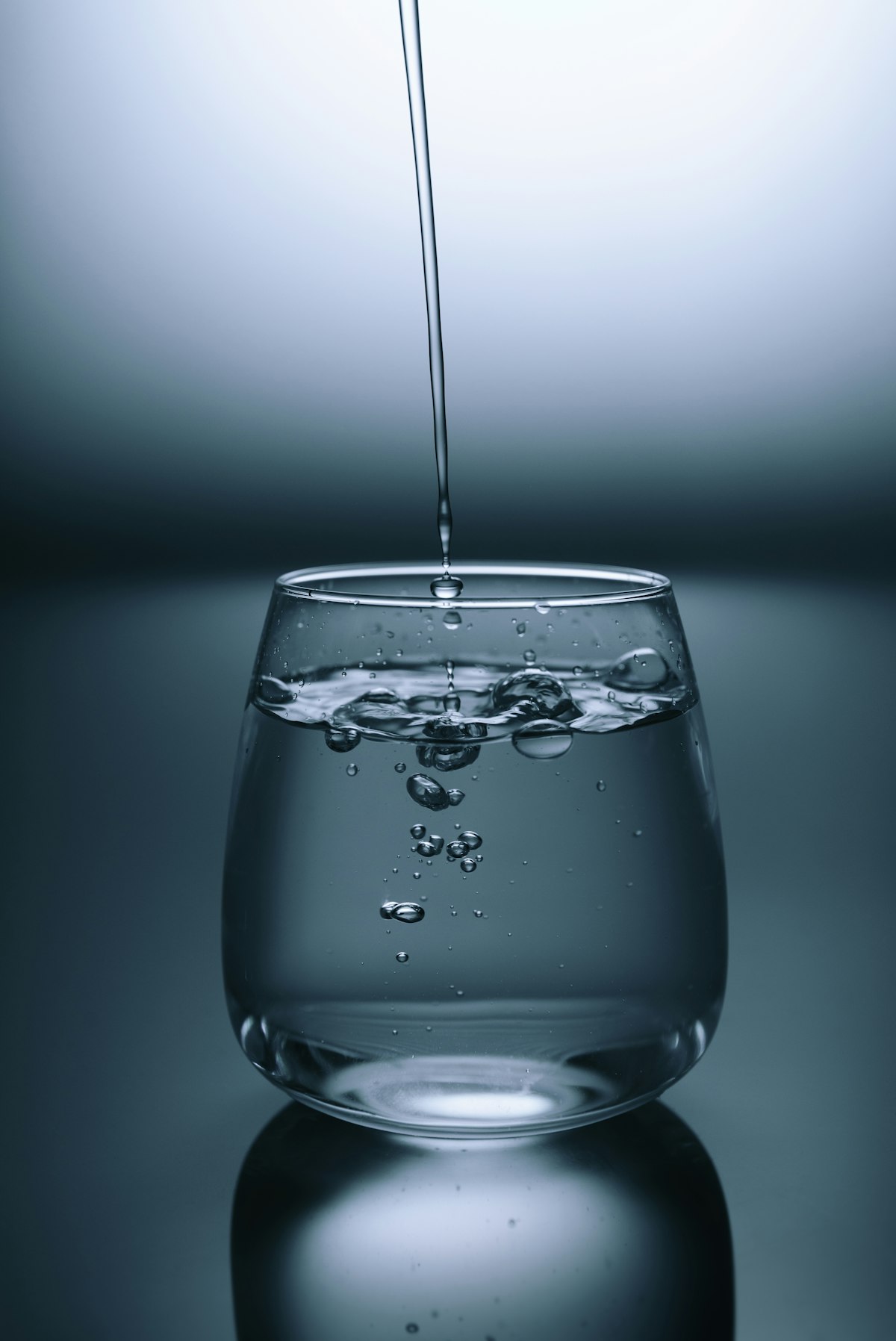
Water is essential for life—yet most people don’t drink nearly enough. Your body is approximately 60% water, and every cell, tissue, and organ depends on proper hydration to function. Understanding the benefits of drinking water might just motivate you to reach for that glass more often.
In this comprehensive guide, we’ll explore 15 science-backed reasons why staying hydrated is crucial for your health. Let’s dive in! 💧
How Much Water Do You Really Need?
While the “8 glasses a day” rule is popular, actual needs vary based on:
- Body size and weight
- Physical activity level
- Climate and environment
- Overall health status
- Diet (water-rich foods contribute)
General guideline: Aim for about half your body weight in ounces. A 160-pound person would target approximately 80 ounces (10 cups) daily.
15 Benefits of Drinking Water
1. Boosts Physical Performance 💪
Dehydration significantly impairs physical performance. Losing just 2% of your body’s water content can noticeably affect strength, endurance, and coordination.

Research shows:
- Athletes can lose 6-10% of water weight through sweat
- Dehydration reduces exercise performance by up to 25%
- Proper hydration prevents muscle cramps and fatigue
2. Enhances Brain Function
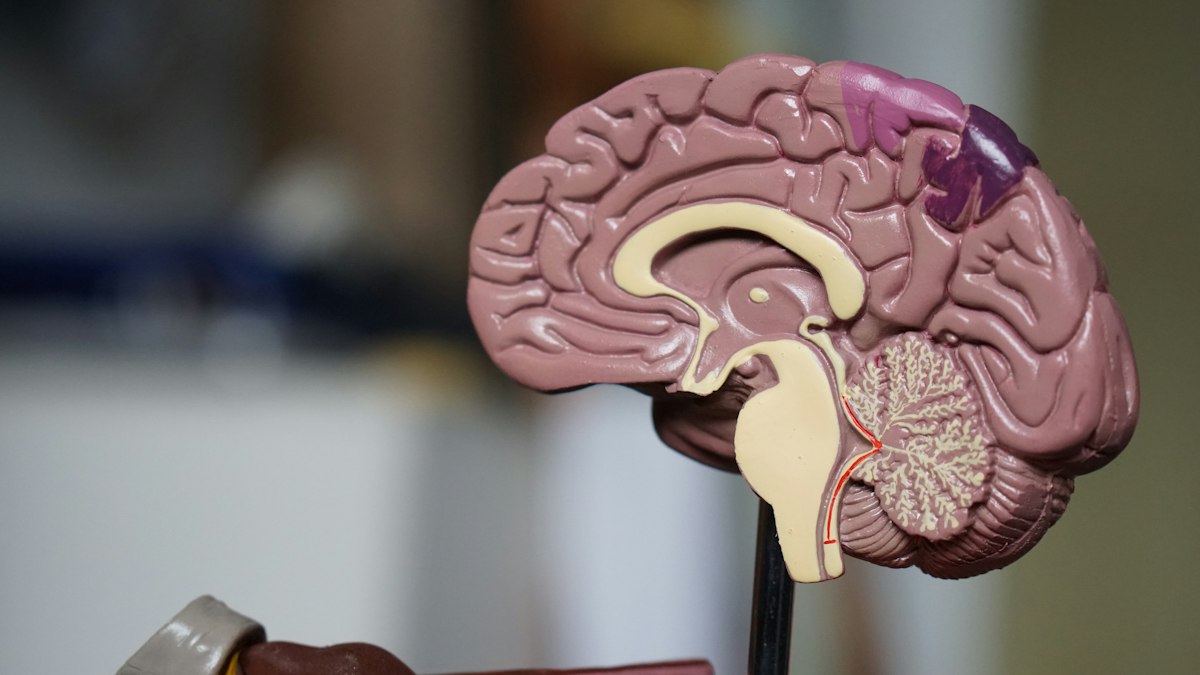
Your brain is about 75% water. Even mild dehydration (1-3% fluid loss) impairs cognitive function.
Studies show dehydration causes:
- Impaired concentration and memory
- Increased perception of task difficulty
- More frequent headaches
- Mood disturbances
Staying hydrated helps you think clearer, stay focused, and maintain better mood.
3. Helps with Weight Loss
Water is a powerful tool for weight management:
How it helps:
- Increases metabolism: Drinking 500ml of water boosts metabolic rate by 24-30% for about an hour
- Reduces appetite: Drinking water before meals decreases calorie intake
- Zero calories: Replaces sugary beverages
- Reduces water retention: Proper hydration actually prevents bloating
One study found that people who drank water before meals lost 44% more weight over 12 weeks.
4. Prevents and Treats Headaches 🤕
Dehydration is a common headache trigger. Research shows that increasing water intake can reduce headache frequency and intensity.
In one study, participants who increased water intake by 1.5 liters daily experienced significantly fewer headaches.
5. Supports Kidney Health
Your kidneys filter about 120-150 quarts of blood daily, producing 1-2 quarts of urine. Adequate water is essential for this process.
Benefits include:
- Flushes toxins and waste products
- Reduces risk of kidney stones
- Prevents urinary tract infections
- Supports overall kidney function
6. Aids Digestion and Prevents Constipation
Water is crucial for healthy digestion:
- Helps break down food for nutrient absorption
- Prevents constipation by keeping stools soft
- Reduces risk of heartburn and stomach ulcers
- Supports gut motility
Studies show that low water intake is a risk factor for constipation in both young and elderly populations.
7. Improves Skin Health ✨
While water won’t erase wrinkles overnight, proper hydration supports skin health:
- Maintains skin elasticity
- Supports cell regeneration
- Helps flush out toxins that contribute to breakouts
- Gives skin a healthier, more radiant appearance
Severe dehydration makes skin appear dull, loose, and more prone to wrinkles.
8. Regulates Body Temperature
Water stored in the middle layers of skin comes to the surface as sweat when the body heats up. As it evaporates, it cools the body.
Proper hydration helps your body maintain optimal temperature during exercise and in hot weather.
9. Supports Joint Health
Cartilage—found in joints and spinal discs—is about 80% water. Long-term dehydration can reduce the joints’ shock-absorbing ability, potentially leading to joint pain.

10. Boosts Energy Levels ⚡
Fatigue is often an early sign of dehydration. Even mild dehydration can make you feel tired and lethargic.
How water energizes:
- Ensures oxygen and nutrients reach cells efficiently
- Supports metabolic processes
- Keeps blood volume optimal for circulation
11. Helps Maintain Blood Pressure
Dehydration can cause blood to become thicker, potentially increasing blood pressure. Adequate hydration supports healthy blood volume and circulation.
12. Improves Mood
Research links dehydration to increased tension, anxiety, and fatigue. Studies show that even mild dehydration negatively affects mood in both men and women.
Staying hydrated helps maintain emotional balance and positive mood.
13. Supports Immune Function
Water helps produce lymph, which circulates white blood cells and nutrients throughout your body. Proper hydration supports your body’s natural defense systems.

14. Reduces Hangover Symptoms
Alcohol is a diuretic, causing increased urination and dehydration. Many hangover symptoms—thirst, headache, fatigue—result from dehydration.
Tip: Drink a glass of water between alcoholic beverages and before bed.
15. Delivers Oxygen Throughout the Body
Blood is more than 90% water. It carries oxygen to different parts of the body. Proper hydration ensures efficient oxygen delivery to all tissues and organs.
Signs You’re Not Drinking Enough Water
Watch for these dehydration symptoms:
- Thirst (by the time you’re thirsty, you’re already mildly dehydrated)
- Dark yellow urine (pale yellow = good hydration)
- Infrequent urination (less than 4 times daily)
- Dry mouth and lips
- Headaches
- Fatigue
- Dizziness
- Poor concentration
Tips for Drinking More Water
Make It Convenient 🎯
- Keep a water bottle with you at all times
- Place water bottles in visible locations (desk, car, bedside)
- Use a large bottle marked with time goals
Make It Appealing
- Add natural flavors: lemon, cucumber, mint, berries
- Try sparkling water if you enjoy carbonation
- Drink it cold or warm—whatever you prefer
Build Habits
- Drink a glass first thing in the morning
- Drink before each meal
- Set phone reminders
- Use a water tracking app
- Link water drinking to existing habits
Eat Your Water
These foods are over 90% water:
- Cucumbers
- Watermelon
- Tomatoes
- Zucchini
- Celery
- Lettuce
- Strawberries
Sample Hydration Schedule
- Wake up: 16 oz (large glass)
- Mid-morning: 8-16 oz
- Before lunch: 8 oz
- Afternoon: 16 oz
- Before dinner: 8 oz
- Evening: 8 oz (not too close to bed)
- Total: 64-80 oz
Conclusion: Make Hydration a Priority
Water is the simplest, cheapest, and most accessible health intervention available. The benefits touch virtually every aspect of your health—from brain function to skin appearance to disease prevention.
Your challenge: Track your water intake tomorrow. Notice how you feel when properly hydrated versus when you fall short. Let the difference motivate you to prioritize hydration every day. 💧
Remember: If plain water seems boring, flavor it naturally. The key is finding a sustainable way to stay hydrated that works for your lifestyle.
