

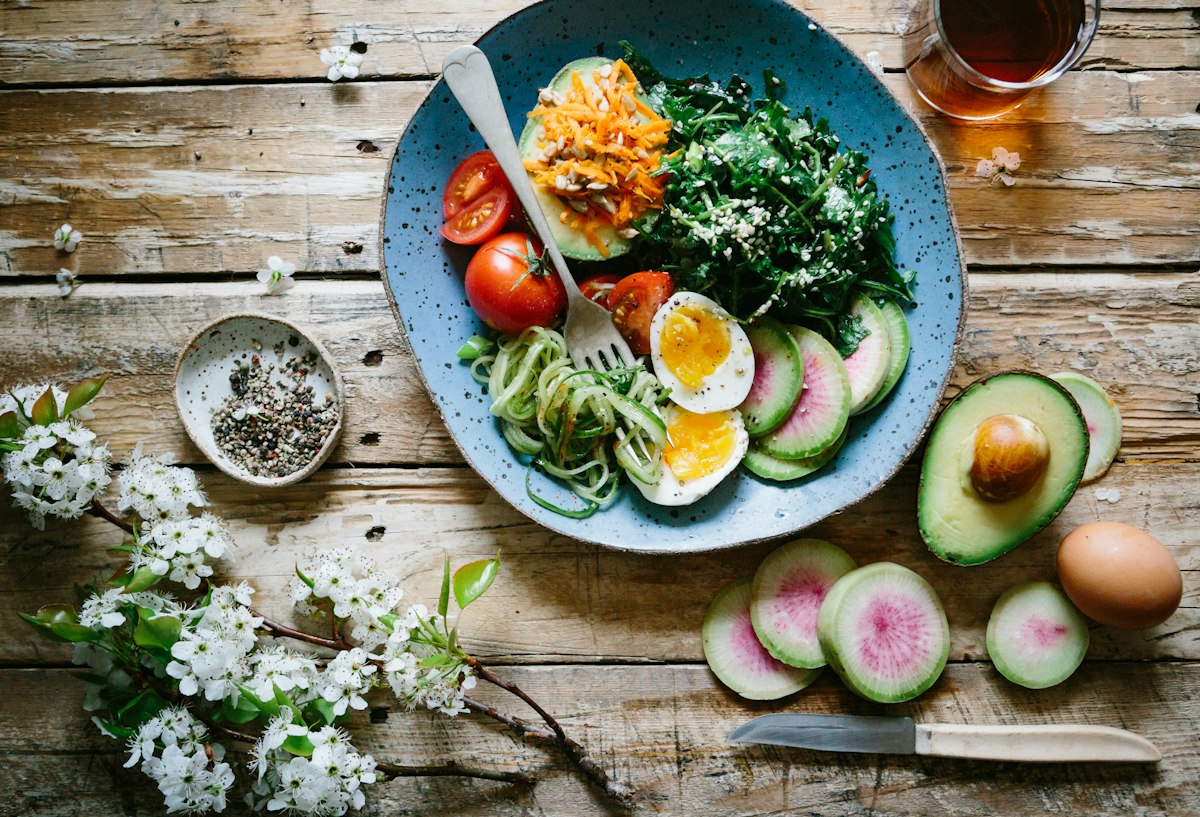
Chronic inflammation is linked to nearly every major disease—heart disease, cancer, diabetes, arthritis, Alzheimer’s, and more. While acute inflammation is your body’s natural healing response, chronic low-grade inflammation wreaks havoc on your health.
The good news? What you eat significantly impacts inflammation levels. This comprehensive anti-inflammatory foods list includes 25 powerful foods that can help reduce inflammation naturally. 🥗
Understanding Inflammation
Inflammation comes in two forms:
Acute inflammation: Short-term response to injury or infection—redness, swelling, heat. This is protective and necessary.
Chronic inflammation: Low-grade, persistent inflammation that develops when the immune system is constantly activated. This is harmful and linked to disease.
Signs of Chronic Inflammation
- Persistent fatigue
- Body aches and joint pain
- Digestive issues
- Skin problems
- Frequent infections
- Weight gain
- Brain fog
25 Powerful Anti-Inflammatory Foods
Fatty Fish 🐟
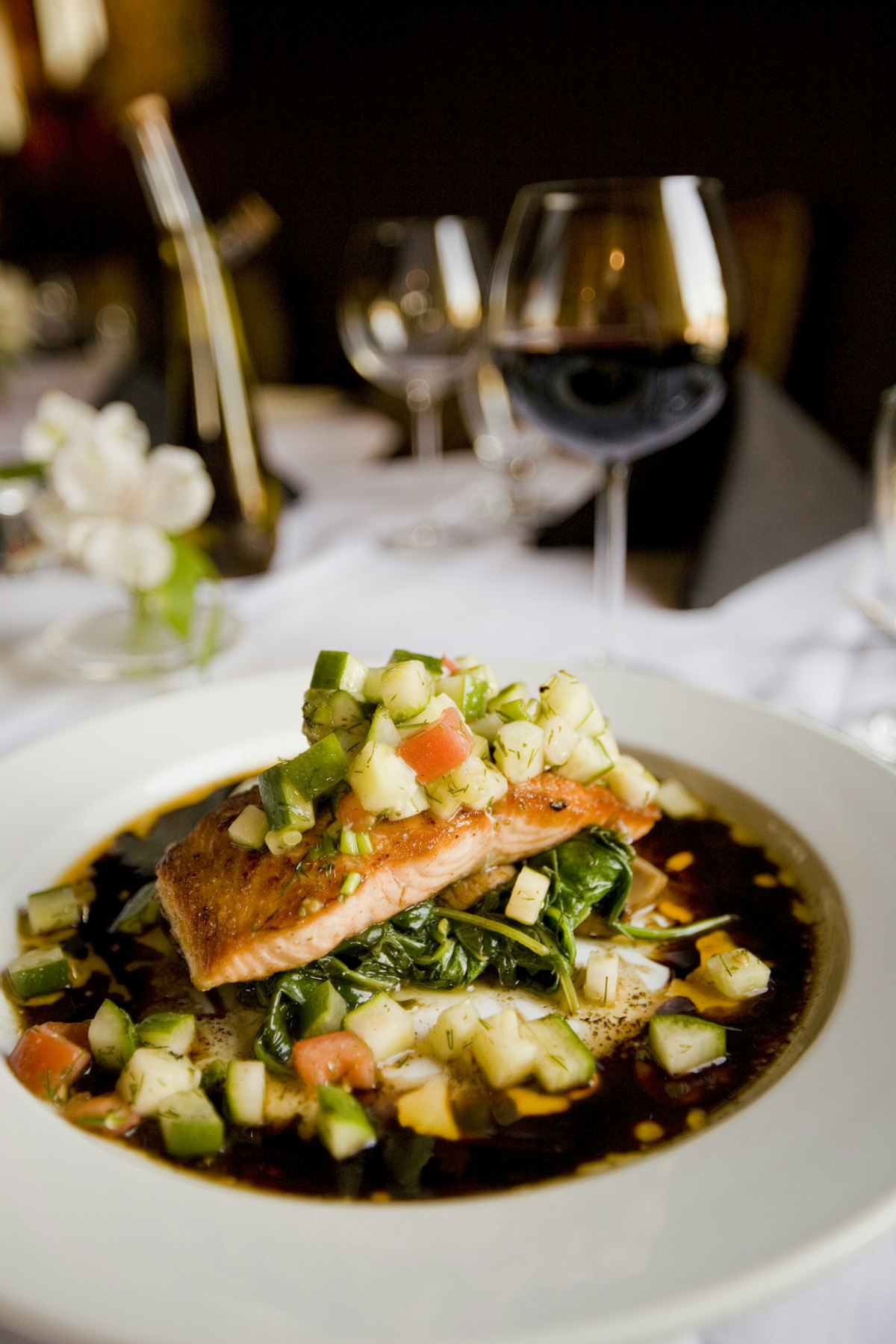
1. Salmon
Wild salmon is rich in omega-3 fatty acids (EPA and DHA), which reduce inflammatory markers like CRP and IL-6. Aim for 2-3 servings weekly.
2. Sardines
These small fish pack a powerful anti-inflammatory punch plus calcium and vitamin D. They’re also low in mercury.
3. Mackerel
Exceptionally high in omega-3s. One serving provides over 2,000mg of EPA and DHA combined.
Berries
4. Blueberries
Packed with anthocyanins—antioxidants that reduce inflammation and oxidative stress. Studies show blueberries reduce inflammatory markers and protect against heart disease.
5. Strawberries
Rich in vitamin C and anthocyanins. Regular consumption reduces CRP and other inflammatory markers.
6. Raspberries
High in fiber and ellagic acid, a potent anti-inflammatory compound.
7. Cherries
Contain anthocyanins and vitamin C. Tart cherries specifically reduce exercise-induced muscle inflammation and arthritis symptoms.
Vegetables
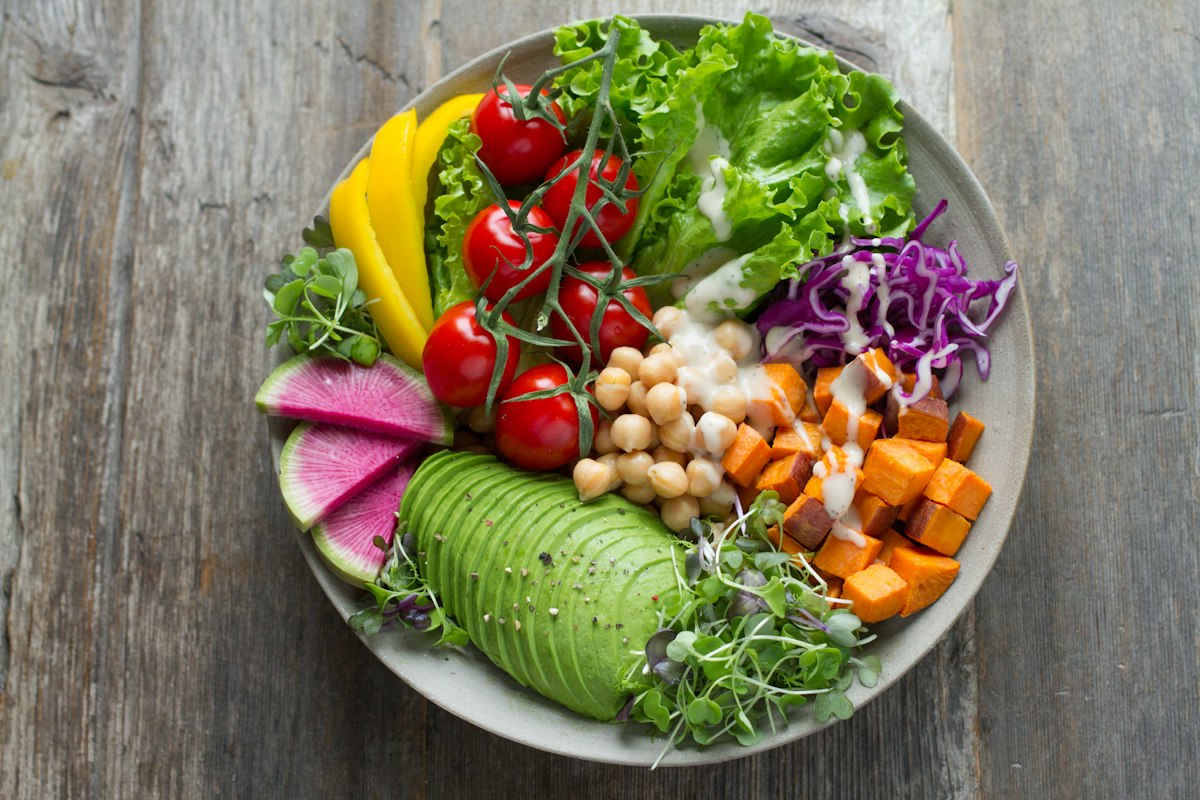
8. Leafy Greens (Spinach, Kale, Collards)
Rich in antioxidants, vitamins, and chlorophyll. Dark leafy greens contain compounds that reduce cellular inflammation.
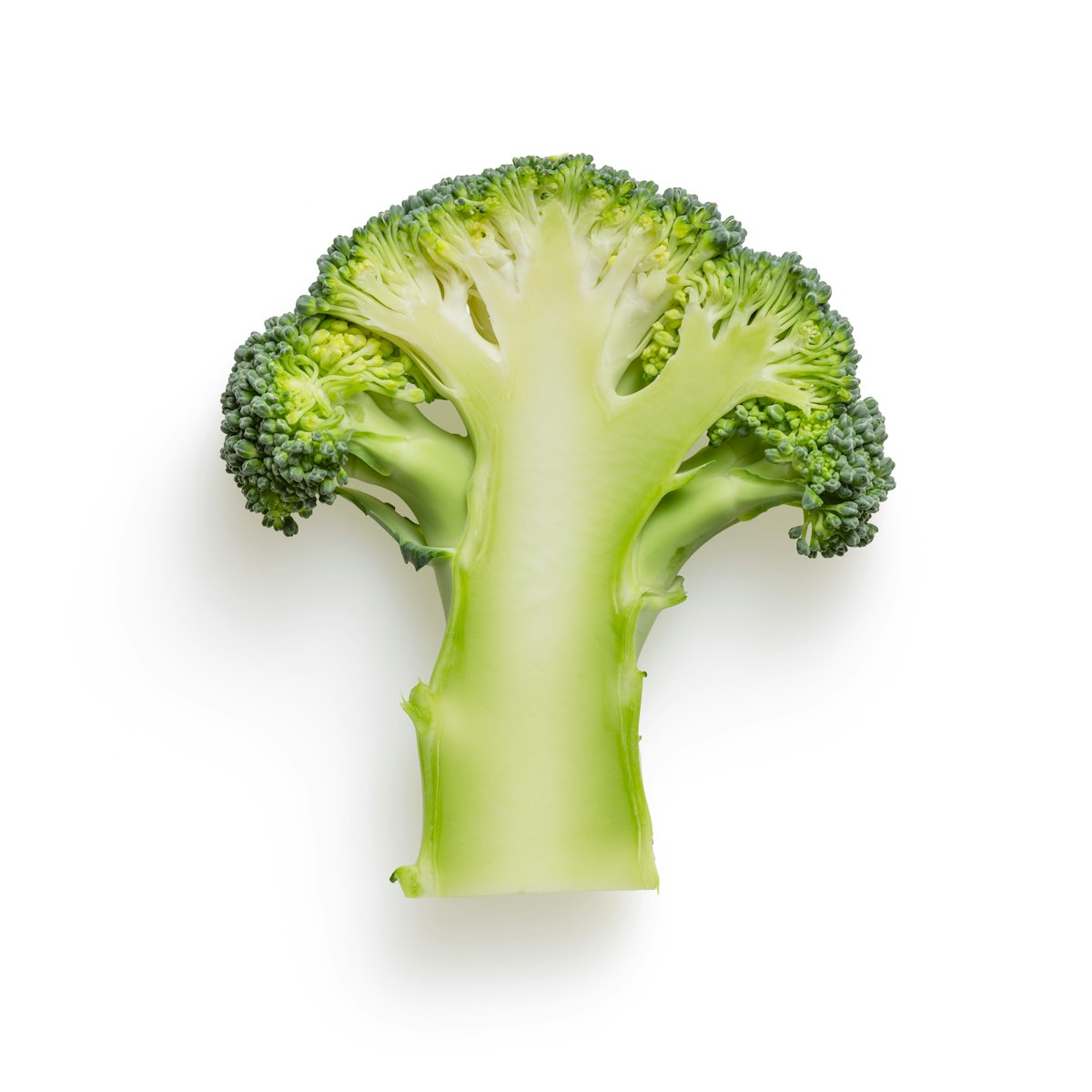
9. Broccoli
Contains sulforaphane, a powerful anti-inflammatory compound that reduces cytokine production. Linked to reduced risk of heart disease and cancer.
10. Tomatoes
High in lycopene, especially when cooked. Lycopene has potent anti-inflammatory effects and protects against prostate cancer.
11. Bell Peppers
Excellent source of vitamin C and quercetin, both powerful anti-inflammatories.
12. Beets
Rich in betalains, which have strong anti-inflammatory and antioxidant properties. Also contain nitrates that improve blood flow.
Healthy Fats
13. Extra Virgin Olive Oil
Contains oleocanthal, which has anti-inflammatory effects similar to ibuprofen. The Mediterranean diet’s benefits are partly attributed to olive oil. Use it as your primary cooking oil.
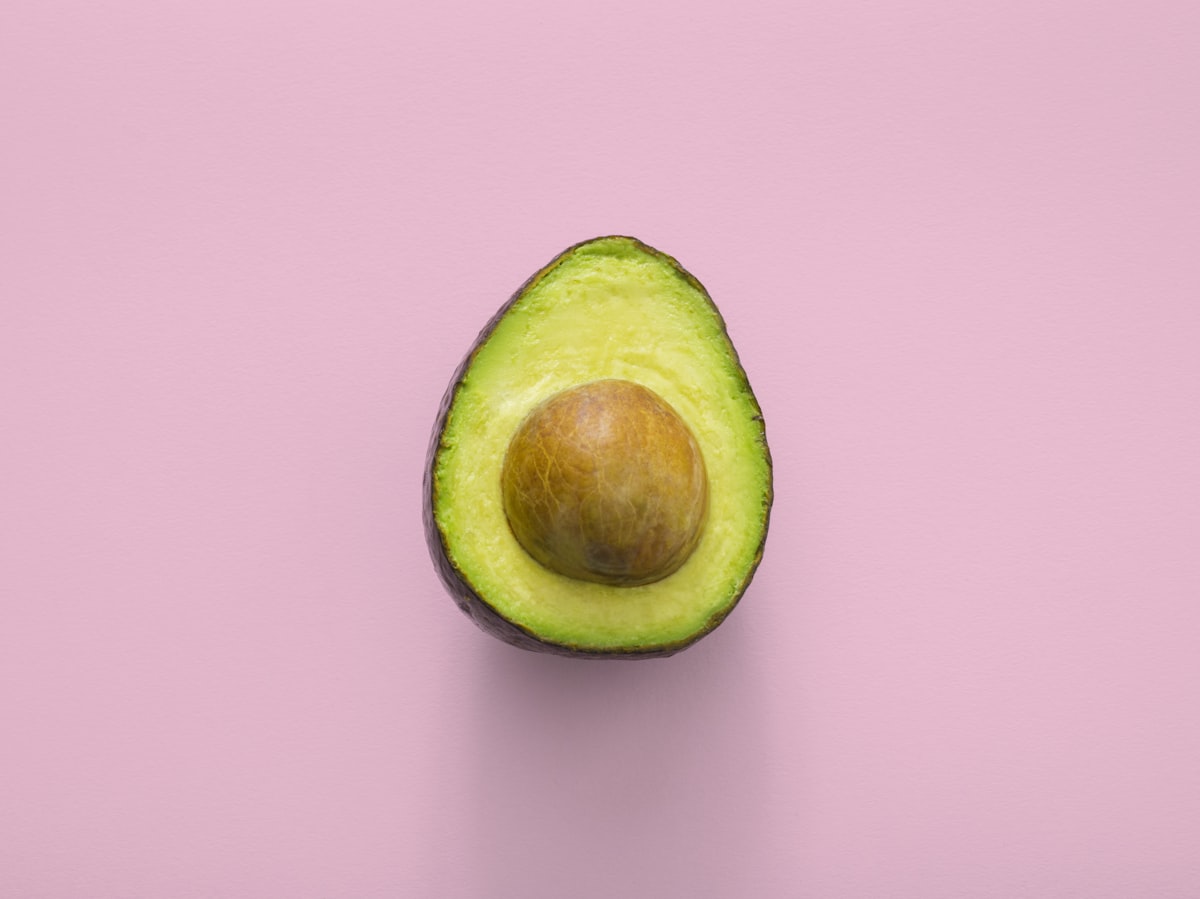
14. Avocados
Rich in monounsaturated fats, potassium, magnesium, and fiber. Studies show avocados reduce inflammatory markers when eaten with inflammatory foods.
Nuts and Seeds
15. Walnuts
Highest omega-3 content of any nut. Regular walnut consumption reduces inflammatory markers and heart disease risk.
16. Almonds
Rich in vitamin E, fiber, and monounsaturated fats. Associated with reduced inflammation and lower heart disease risk.
17. Chia Seeds
Excellent plant source of omega-3s (ALA), fiber, and antioxidants.
18. Flaxseeds
Contain lignans and omega-3s. Studies show flaxseeds reduce CRP levels by up to 15%.
Spices and Herbs
19. Turmeric 🌟
Contains curcumin, one of the most powerful anti-inflammatory compounds known. Curcumin blocks NF-kB, a molecule that activates genes related to inflammation.
Tip: Pair with black pepper to increase absorption by 2,000%.
20. Ginger
Reduces inflammation markers and relieves osteoarthritis symptoms. Also helps with nausea and muscle soreness.
21. Garlic
Contains diallyl disulfide, which has anti-inflammatory effects. May also reduce risk of certain cancers.
Other Powerful Anti-Inflammatory Foods
22. Green Tea
Rich in EGCG (epigallocatechin-3-gallate), a powerful antioxidant that reduces inflammation, protects cells, and promotes healthy aging.
23. Dark Chocolate
Contains flavanols with anti-inflammatory effects. Choose 70%+ cocoa and enjoy in moderation (1-2 ounces daily).
24. Mushrooms
Lion’s mane, shiitake, and reishi have potent anti-inflammatory compounds. Cooking mushrooms maximizes their benefits.
25. Bone Broth
Rich in collagen, glycine, and glutamine—compounds that support gut health and reduce inflammation.
Foods That CAUSE Inflammation (Avoid These)
Equally important is avoiding pro-inflammatory foods:
- Sugar and high-fructose corn syrup: Trigger inflammatory cytokine production
- Refined carbohydrates: White bread, pasta, pastries
- Trans fats: Found in fried foods and some margarines
- Processed meats: Hot dogs, sausages, bacon
- Excessive alcohol: Increases CRP and inflammatory markers
- Vegetable and seed oils: High in omega-6 (corn, soybean, sunflower oils)
Anti-Inflammatory Diet Principles
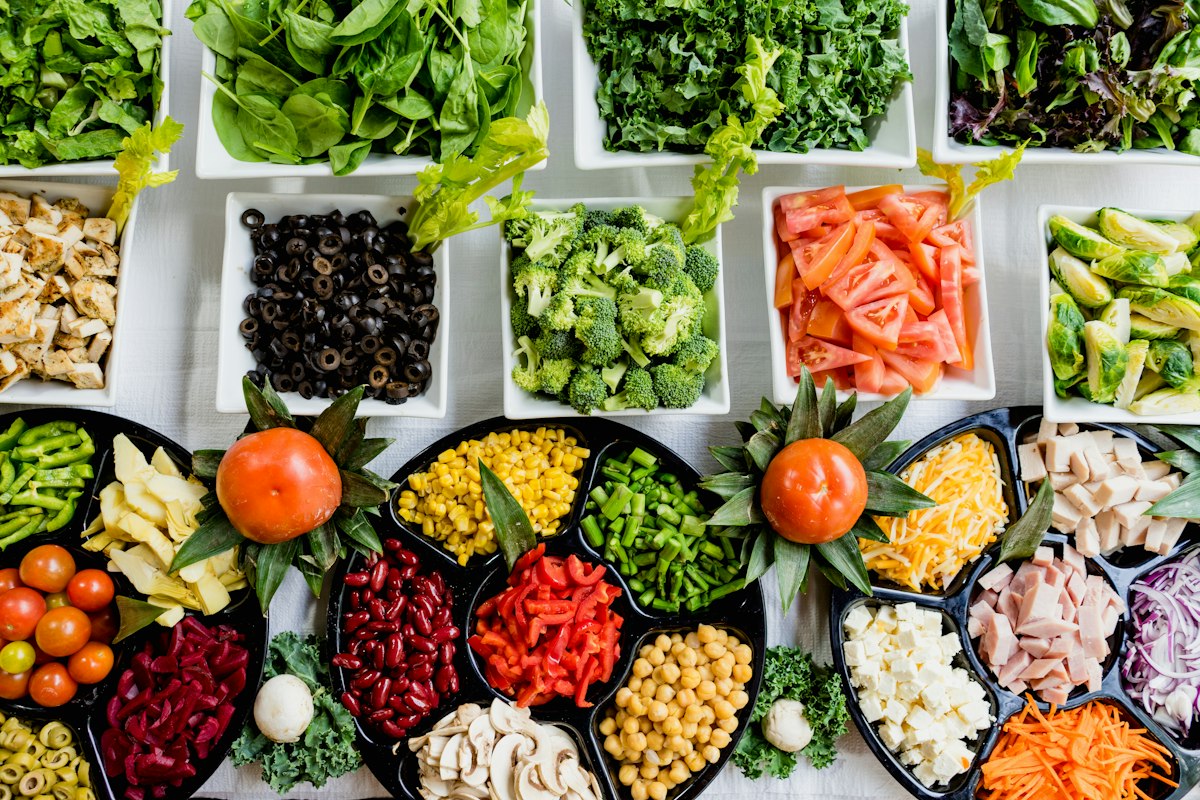
The Mediterranean diet is the gold standard for anti-inflammatory eating:
- Prioritize plants: Vegetables, fruits, nuts, seeds at every meal
- Choose whole grains: Over refined grains
- Eat fatty fish: 2-3 times weekly
- Use olive oil: As your primary fat source
- Include herbs and spices: Especially turmeric and ginger
- Limit red meat: A few times per month
- Avoid processed foods: Especially those with added sugars
- Moderate wine: Optional, with meals
Sample Anti-Inflammatory Day
Breakfast: Overnight oats with berries, walnuts, and a drizzle of honey; green tea
Lunch: Large salad with leafy greens, salmon, avocado, olive oil dressing, and seeds
Snack: Apple slices with almond butter
Dinner: Turmeric-ginger chicken with roasted broccoli and sweet potatoes
Dessert: Small piece of dark chocolate and herbal tea
Lifestyle Factors That Reduce Inflammation
Diet is powerful, but don’t forget:
- Regular exercise: Reduces inflammatory markers
- Quality sleep: Sleep deprivation increases inflammation
- Stress management: Chronic stress is inflammatory
- Healthy weight: Excess fat tissue produces inflammatory chemicals
- No smoking: Smoking triggers systemic inflammation
Conclusion: Eat Your Way to Less Inflammation
Chronic inflammation underlies many modern diseases, but your diet is a powerful tool for fighting back. By filling your plate with these 25 anti-inflammatory foods and limiting pro-inflammatory ones, you can significantly reduce inflammation and protect your long-term health.
Start today: Add one new anti-inflammatory food to each meal this week. Small consistent changes lead to big health improvements over time. 🌟
Remember: If you have a chronic inflammatory condition, work with a healthcare provider. Diet supports—but doesn’t replace—medical treatment when needed.
